



No products in the cart.
CDMO Services
Lyophilized Beads for Immunoassay and Molecular Diagnostics
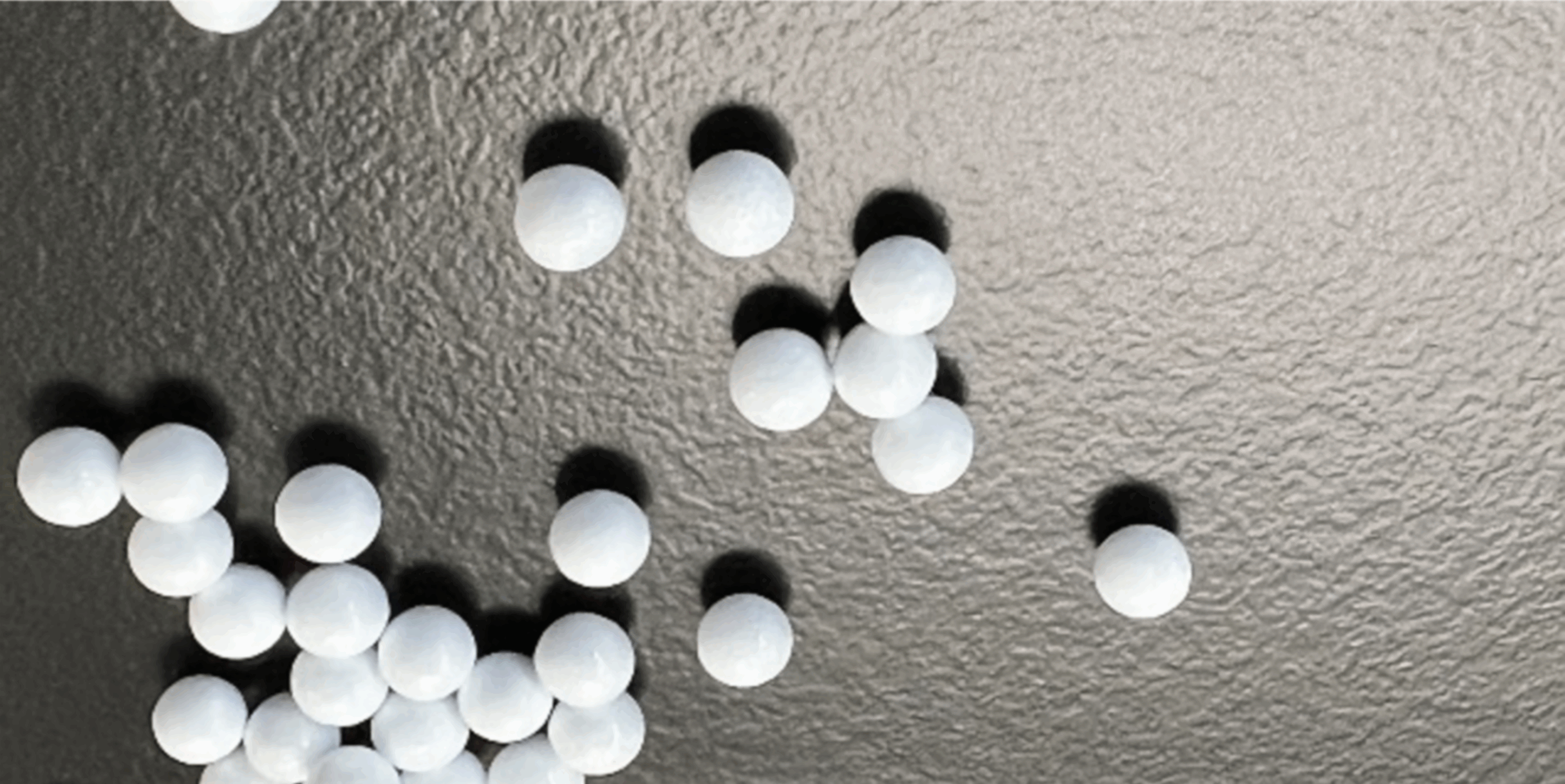
DCN Dx develops and manufactures custom lyophilized beads for LFA and molecular diagnostics—custom-developed for rapid rehydration, rugged handling, and seamless integration. These beads simplify reagent handling, cut costs, extend shelf life, and integrate smoothly into automated devices for better point-of-care performance.
Optimized for Point-of-Care
Lyophilized beads offer the same benefits as traditional lyophilization—long-term reagent stability
and cold chain elimination—with added advantages tailored to point-of-care diagnostics:
.01
Dissolve almost instantly
.02
Enable simple and precise sample pretreatment
.03
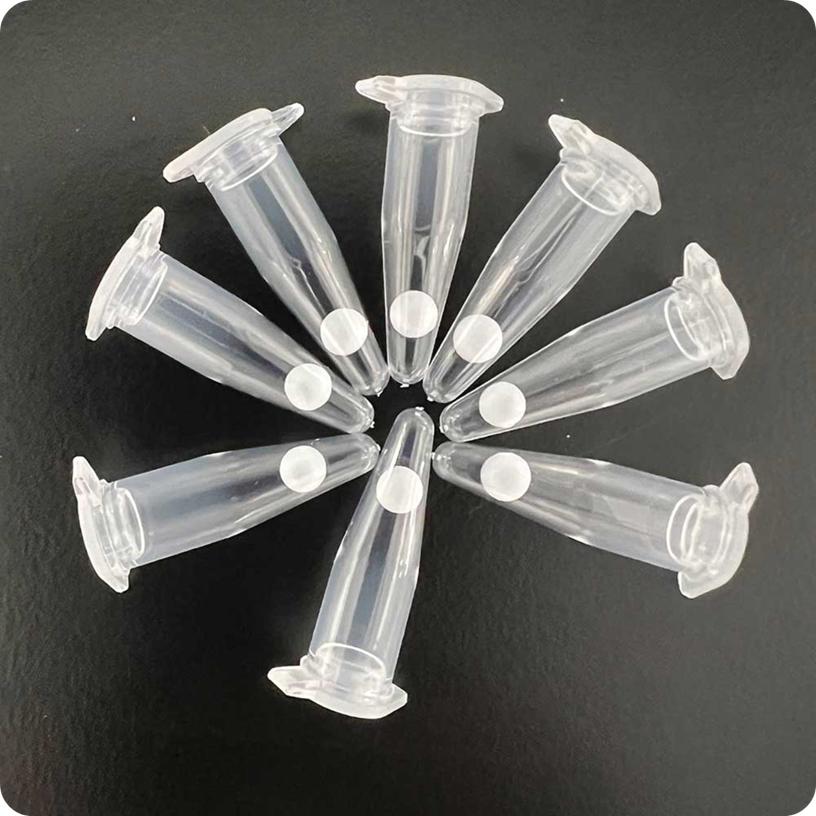
Integrate easily into automated formats like microfluidic cartridges or PCR tubes
Broad
Compatibility
with Diagnostic
Reagents
DCN Dx can lyophilize a wide range of materials into bead format, including:
Buffers
Enzymes
Antibodies
Antigens
Controls
Nanoparticles (gold, latex,
fluorescent particles)
We support bead volumes from 5–35 µL and can produce up to 40,000 beads per run.
Built for
Automation,
Shipping,
and Scale
.01
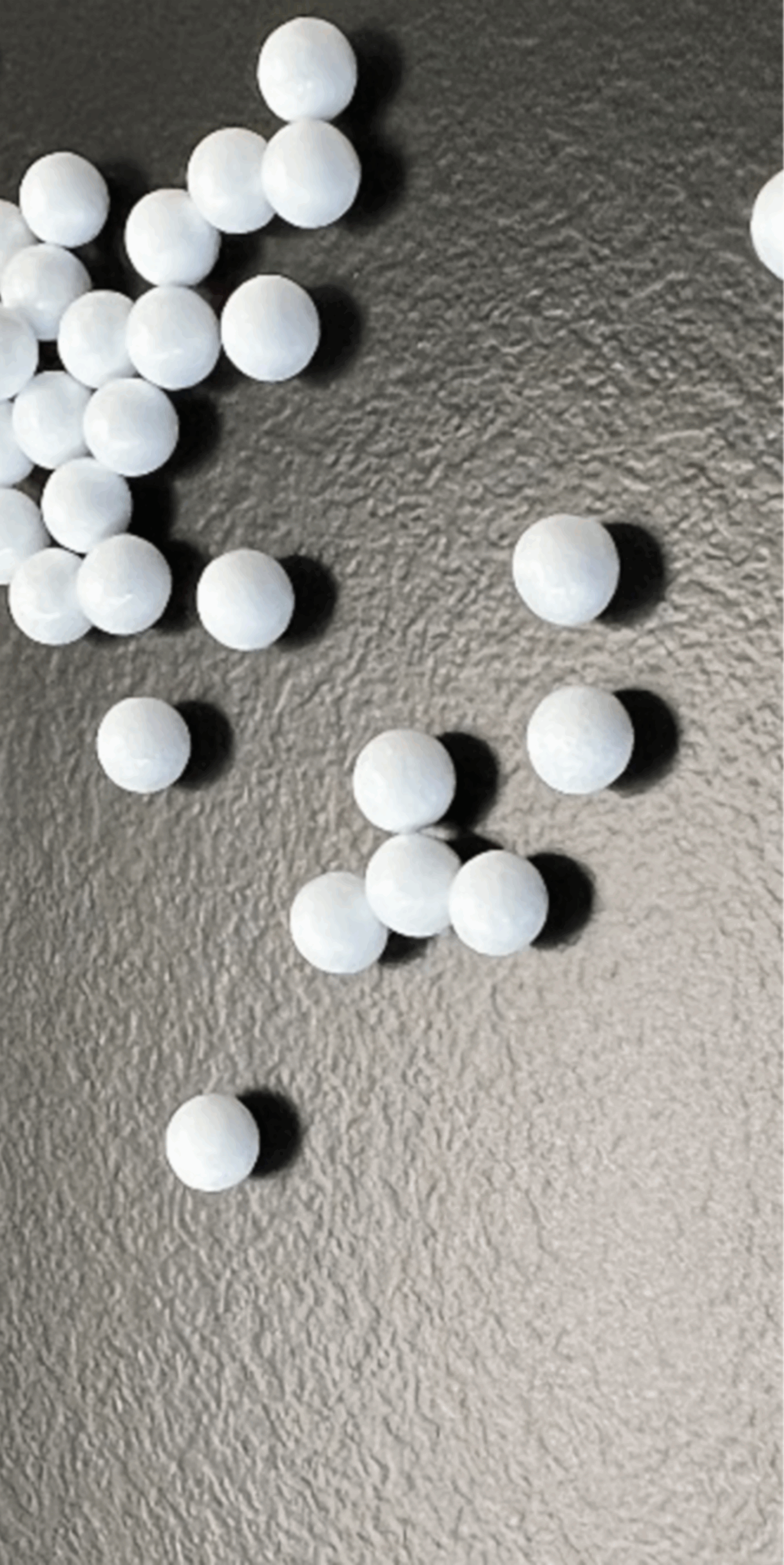
Robust, spherical design
.02
Compatible with
pick-and-place systems
.03
Ideal for high-throughout
assembly and
automated workflows
.04
Excipients are inert and
do not impact molecular or
immunoassay performance
Streamlined Development,
Start to Finish
1
FORMULATION FEASIBILITY
Typical timeline: 3 weeks to 3 months
Factors that affect timeline and/or cost:
Typical timeline: 3 weeks to 3 months
Factors that affect timeline and/or cost:
- Reagents provided vs DCN Dx formulated
- Testing (internal or external)
- Testing turnaround
- Shipping to other locations
2
VERIFICATION AND VALIDATION (V&V)
Typical timeline: 1-2 months
Factors that affect timeline and/or cost:
Typical timeline: 1-2 months
Factors that affect timeline and/or cost:
- Volume of scale-up
- Testing (internal or external)
- Testing turnaround
- Shipping to other locations
3
MANUFACTURING
Production lead time provided post-V&V
Customer provides a PO for single or standing order. Includes:
Production lead time provided post-V&V
Customer provides a PO for single or standing order. Includes:
- Quantity
- Requested delivery dates
- DCN to deliver per schedule
Designed to Work
in Your Device
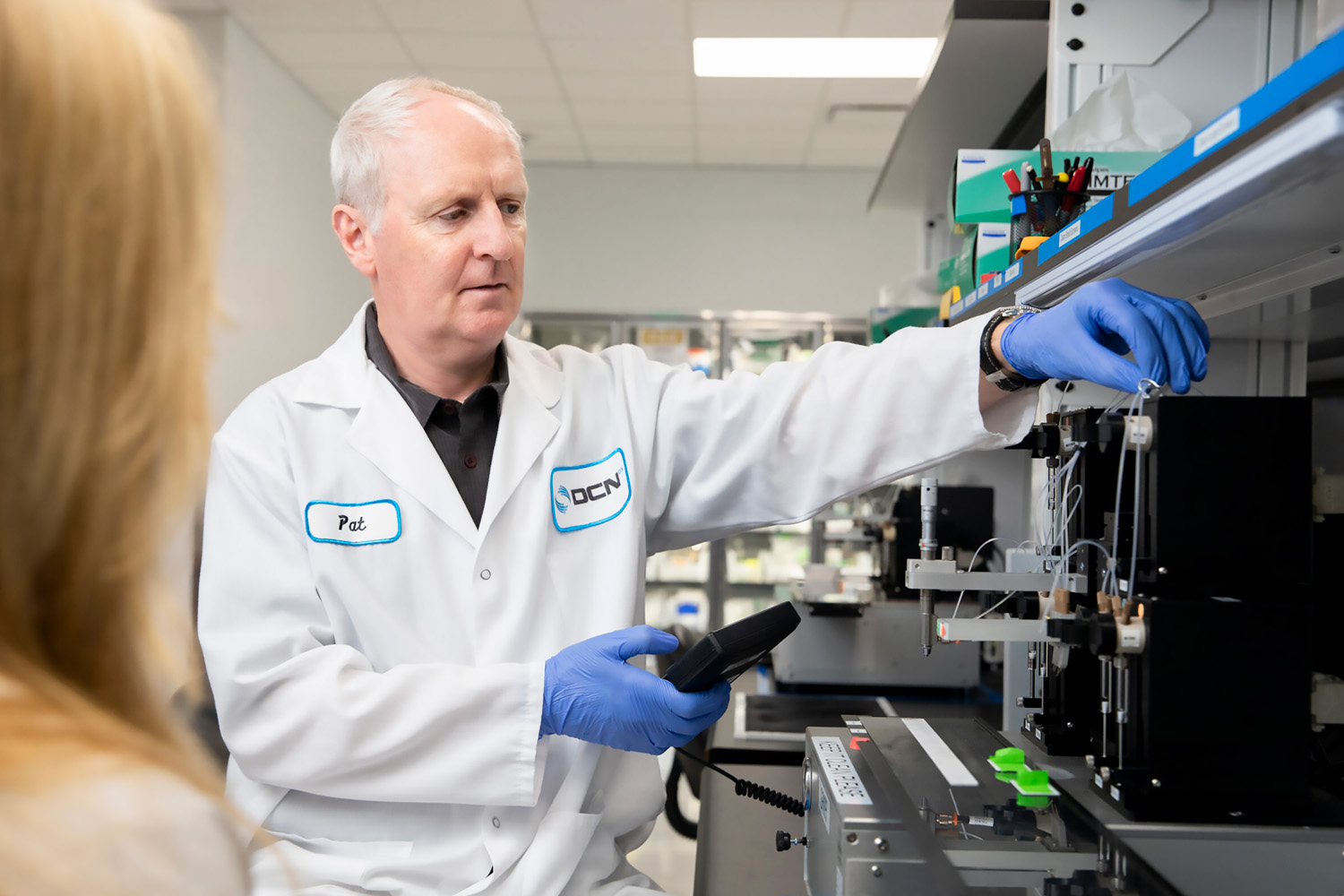
Our scientists and engineers work
collaboratively to align bead characteristics—
such as diameter, volume, robustness, and
rehydration profile—with the device’s fluidics
and format constraints. We develop wet assays
first, then transition to lyophilized formats,
integrating directly into your final product to
ensure performance and compatibility.
Next Steps