

Scaling rapid test manufacturing from benchtop assays to high-throughput, controlled production.
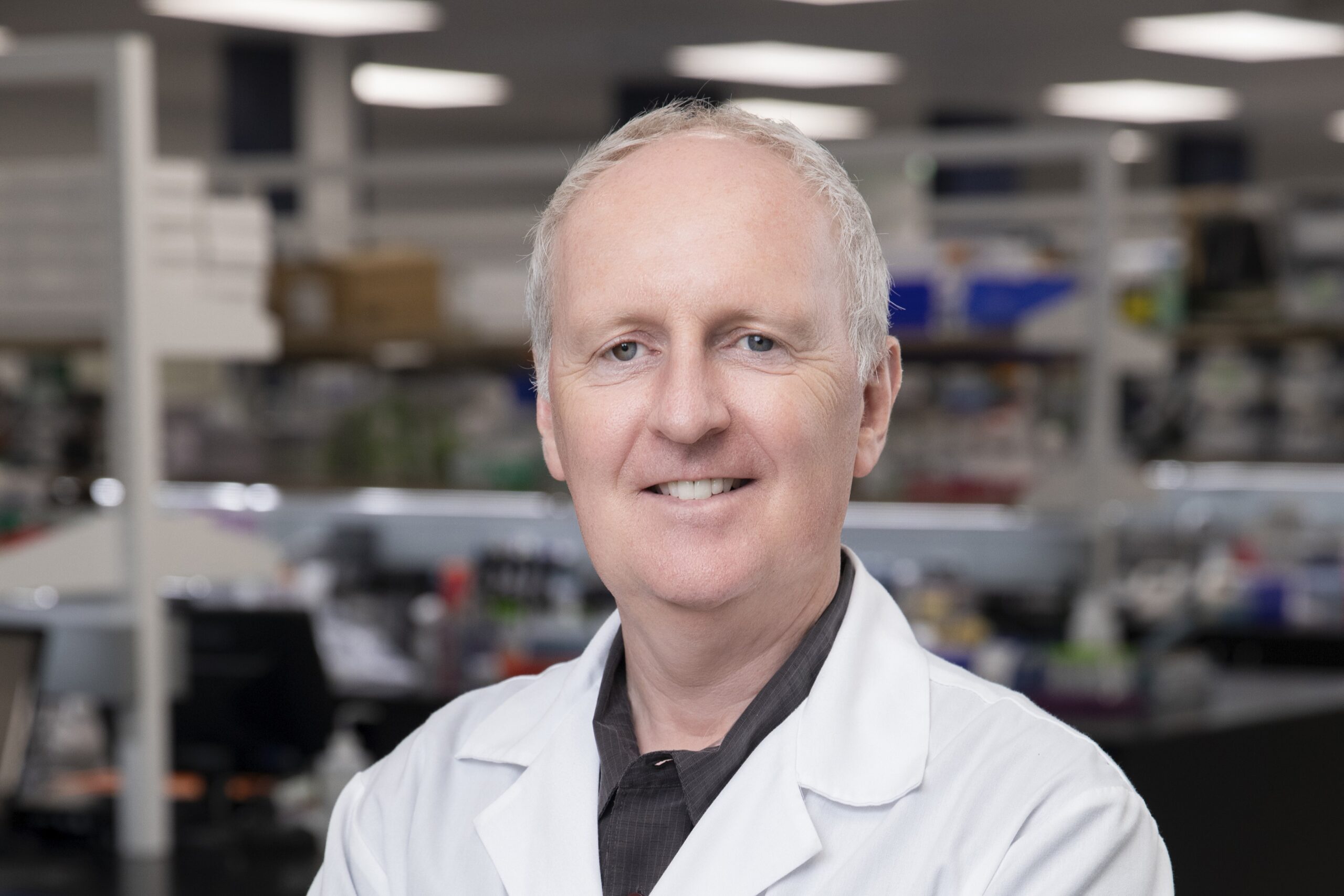
As rapid diagnostic programs transition from R&D to scaled production, small sources of variation can quickly become major risks. In this episode of Expert Insights, Mitzi Rettinger, Chief Revenue Officer at DCN Dx, sits down with Daniel Levenson, Business Development Manager at KinBio, to discuss what truly changes when you move from manual processes to automated, repeatable manufacturing systems.
The conversation goes beyond dispensing and strip cutting to address the often-overlooked bottlenecks in vial filling, kit assembly, packaging, and sealing. Daniel explains how throughput challenges, moisture control, seal integrity, and alignment issues can affect lot consistency, and why automation must extend across the full production workflow, not just the strip.
They also explore the role of in-line vision systems and defined critical-to-quality attributes (CTQs) in reducing manufacturing risk. As multiplex tests and more complex point-of-care formats become more common, developers must design flexibility, inspection, and traceability into their processes early. The result: fewer surprises, stronger process control, and a clearer path to scalable production.
Listen below, or find us on your favorite podcast platform.
What you’ll hear in this episode
- What typically breaks when moving from benchtop lateral flow assays to scaled, repeatable manufacturing
- Where bottlenecks emerge beyond the strip, including vial filling, kit assembly, and packaging
- How in-line vision systems and defined CTQs reduce variability and manufacturing risk
- What changes operationally when moving to multiplex and more complex point-of-care formats
Guest
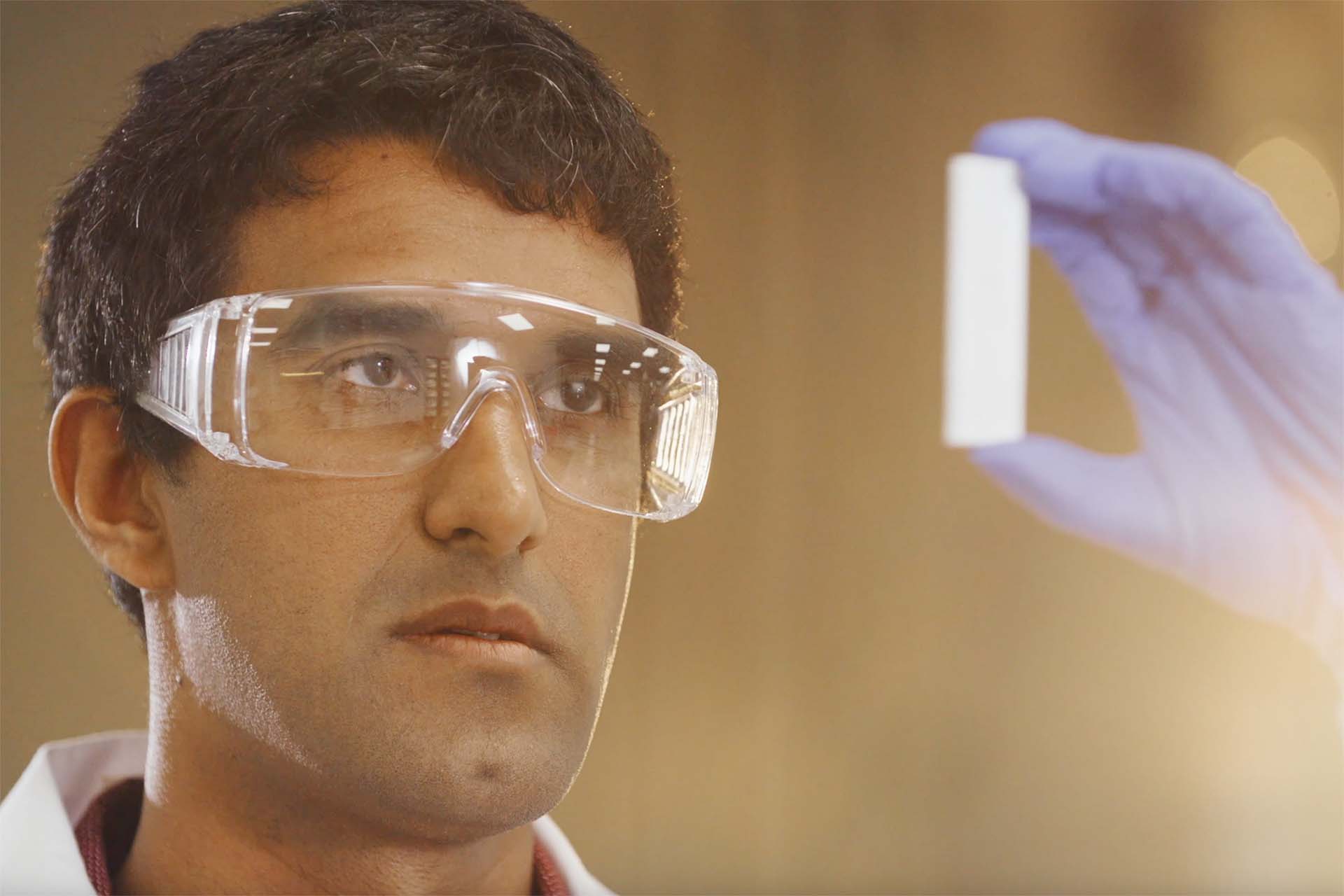
Daniel Levenson is Business Development Manager at Shanghai Kinbio Tech Co., Ltd. He brings years of hands-on technical experience in rapid test manufacturing to his work supporting developers scaling into automated production.
