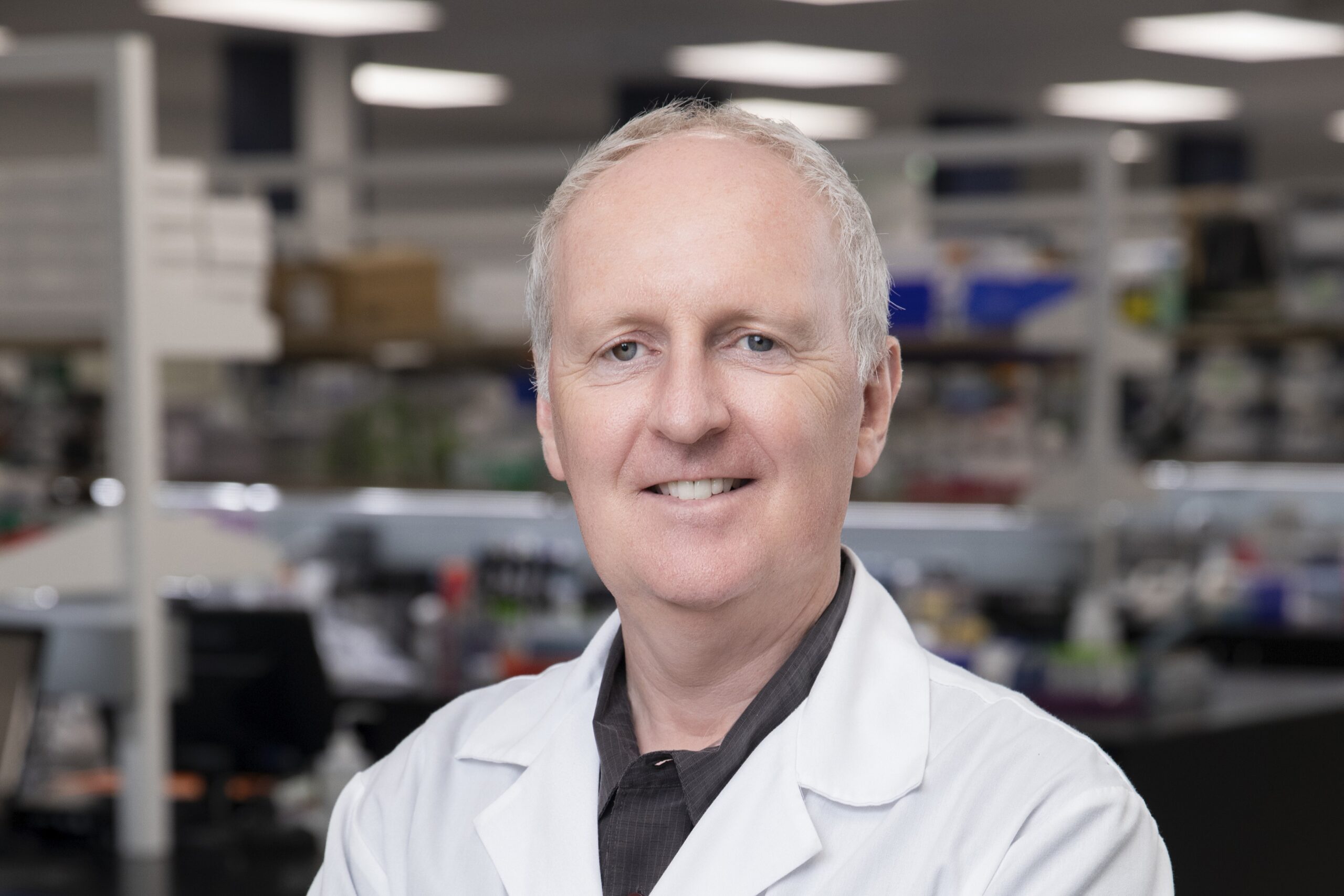


We recently had the opportunity to catch up with Dr. Fezile Khumalo, a junior research fellow at the University of Cape Town, who attended DCN Dx’s Basic Lateral Flow Training (BLFT) course in 2023. Dr. Khumalo shared insights into her experience at the BLFT and how the knowledge gained has influenced her work in developing diagnostic tools for low- and middle-income countries (LMICs).
Q: Can you briefly introduce yourself and share a bit about your professional background before attending the Basic Lateral Flow Training course?
Dr. Khumalo: I am Dr. Fezile Khumalo, a junior research fellow at the University of Cape Town, in the division of Medical Virology, Department of Pathology. I work in women’s reproductive health with a focus on inflammation.
Q: What motivated you to participate in the BLFT in 2023?
Dr. Khumalo: Our research group, the Mucosal Infections Group, developed a novel point-of-care test for detecting genital inflammation. Currently, we’re laying the groundwork for immunoassays targeting infectious diseases common in low- and middle-income countries, including lateral flow assays. Enrolling in this course aimed to enhance our proficiency in immunoassay development and acquire insights into refining technologies within our pipeline.
Q: Reflecting on the BLFT, what were your top three takeaways from the course?
Dr. Khumalo: My top three takeaways were:
- Understand your test materials, and test and revise all components as necessary to obtain the best performing test.
- The sample type is important to understand how to develop a test that is appropriate.
- Testing and retesting is critical.
Q: How have these key learnings influenced your approach to assay development?
Dr. Khumalo: These key learnings have significantly influenced our approach to assay development. By understanding the intricacies of the development process, we’ve gained the ability to troubleshoot effectively and plan more efficiently. This understanding has enabled us to incorporate robust quality control measures at every stage of development. As a result, we can ensure the reliability and accuracy of our assays, ultimately enhancing their effectiveness in our target setting, which prioritizes assays that perform with similar or same sensitivity and selectivity as more advanced lab-based assays.
Q: Could you share a specific project or challenge where you applied the skills and knowledge acquired from the BLFT?
Dr. Khumalo: Our research group is currently testing the Genital Inflammation Test (GIFT). It is undergoing its first in-field assessment for performance and application in LMICs.
Q: In what ways has the training impacted your work on a day-to-day basis?
Dr. Khumalo: The training has significantly impacted our day-to-day work by providing a deeper understanding of the development process for various immunoassay platforms. We’ve learned that developing lateral flow assays entails more than just the biologics involved; it encompasses a multitude of factors, including sample types, sample processing techniques, detection methods, and the materials used in the assay. These components collectively determine the performance of the test. Armed with this knowledge, we are now more adept at navigating the complexities of assay development, making informed decisions, and optimizing our processes to ensure the efficacy and reliability of our tests.
“The training has significantly impacted our day-to-day work…”—Dr. Fezile Khumalo, a junior research fellow at the University of Cape Town on the impact of DCN Dx’s Basic Lateral Flow Training course.
Q: Are there any other achievements or milestones you’ve reached post-BLFT that you attribute to the training you received?
Dr. Khumalo: We are waiting on the clinical study analysis for the 1st iteration of the GIFT test. We will potentially be making improvements to the device before we begin the regulatory approval journey for the test.
Q: Based on your experience, why would you recommend the BLFT to other professionals in lateral flow, or diagnostics, more generally?
Dr. Khumalo: If funding were available, it would be highly beneficial for all members of our lab to attend this course or to bring the course facilitators to South Africa. The knowledge gained from such a course is invaluable, particularly as we focus on translating our research into products for low- and middle-income countries. By equipping our team with the basics of assay development and refinement techniques, we can enhance our capabilities in developing diagnostic tools tailored to the unique needs and constraints of LMIC settings. Investing in this training would ultimately strengthen our capacity to produce impactful solutions that address pressing healthcare challenges in resource-limited environments.
Q: What advice would you give to future participants to make the most out of the BLFT?
Dr. Khumalo: Having the idea or beginnings of a test is important so you can specify the areas that you need help with. The course does cover everything, but if you bring specific questions, you can get much-needed practical assistance.
Q: How do you see the skills and knowledge from the BLFT playing a role in your future projects or career aspirations?
Dr. Khumalo: The skills and knowledge acquired from the BLFT course will play a pivotal role in our future projects, particularly as we delve deeper into immunoassay development. With the increasing focus on developing diagnostic and screening tools tailored for low- and middle-income countries, the expertise gained from the BLFT course will position us to tackle these challenges effectively.
As we continue our work on new projects, the proficiency in immunoassay development acquired through the BLFT course is enabling us to design and optimize diagnostic tools that address the specific needs of LMICs. By leveraging our enhanced capabilities, we aim to develop innovative solutions that improve access to healthcare for underserved populations in LMICs.
Ultimately, the skills and knowledge obtained from the BLFT course will not only contribute to the success of our future projects but also align with our broader career aspirations of making meaningful advancements and enhancing healthcare accessibility for communities in need.
Q: Is there a particular area of lateral flow technology you’re excited to explore further, thanks to insights from the BLFT?
Dr. Khumalo: We will be investing resources in developing antibodies for lateral flow assays as part of our long-term strategic initiatives. By developing our own antibodies, we hope to gain greater control over the performance and specificity of the assays, ensuring high accuracy and reliability in detecting target analytes. Additionally, having access to proprietary antibodies enhances our ability to customize assays for specific applications and target populations, particularly in the context of low- and middle-income countries where unique challenges may exist.
The insights shared by Dr. Khumalo underscore the significant impact of DCN Dx’s Basic Lateral Flow Training course on advancing diagnostic solutions in LMICs. By equipping participants with the foundational knowledge and practical skills needed to develop and refine lateral flow assays, the BLFT empowers researchers and professionals to tackle the unique challenges faced in resource-limited settings. As Dr. Khumalo and her team continue to apply the knowledge gained from the BLFT, we eagerly anticipate the innovative solutions they will develop to improve healthcare accessibility for underserved communities worldwide.To learn more about DCN Dx’s Basic Lateral Flow Training course or to register, click here.
