New Podcast Episode—The Enduring Impact of Culture Diagnostics and LFAs in STI Detection and Public Health

  • Insight
Candids 25

Insights from DCN Dx and Biomed Diagnostics for National Public Health Week

In honor of National Public Health Week, we invite you to join us for an insightful audio discussion that explores the critical role of collaborations between public health labs and diagnostic developers in combating the rising tide of sexually transmitted infections (STIs).

Why Listen?

  • Gain a deeper understanding of the current landscape of STI detection and the unique contributions of culture diagnostics and lateral flow tests
  • Learn about emerging technologies that are poised to revolutionize STI detection and management
  • Explore best practices for designing impactful clinical studies that demonstrate real-world impact on STI detection and control efforts
  • Discover how strengthened collaborations among key players can drive advancements in public health outcomes

Featured Panelists

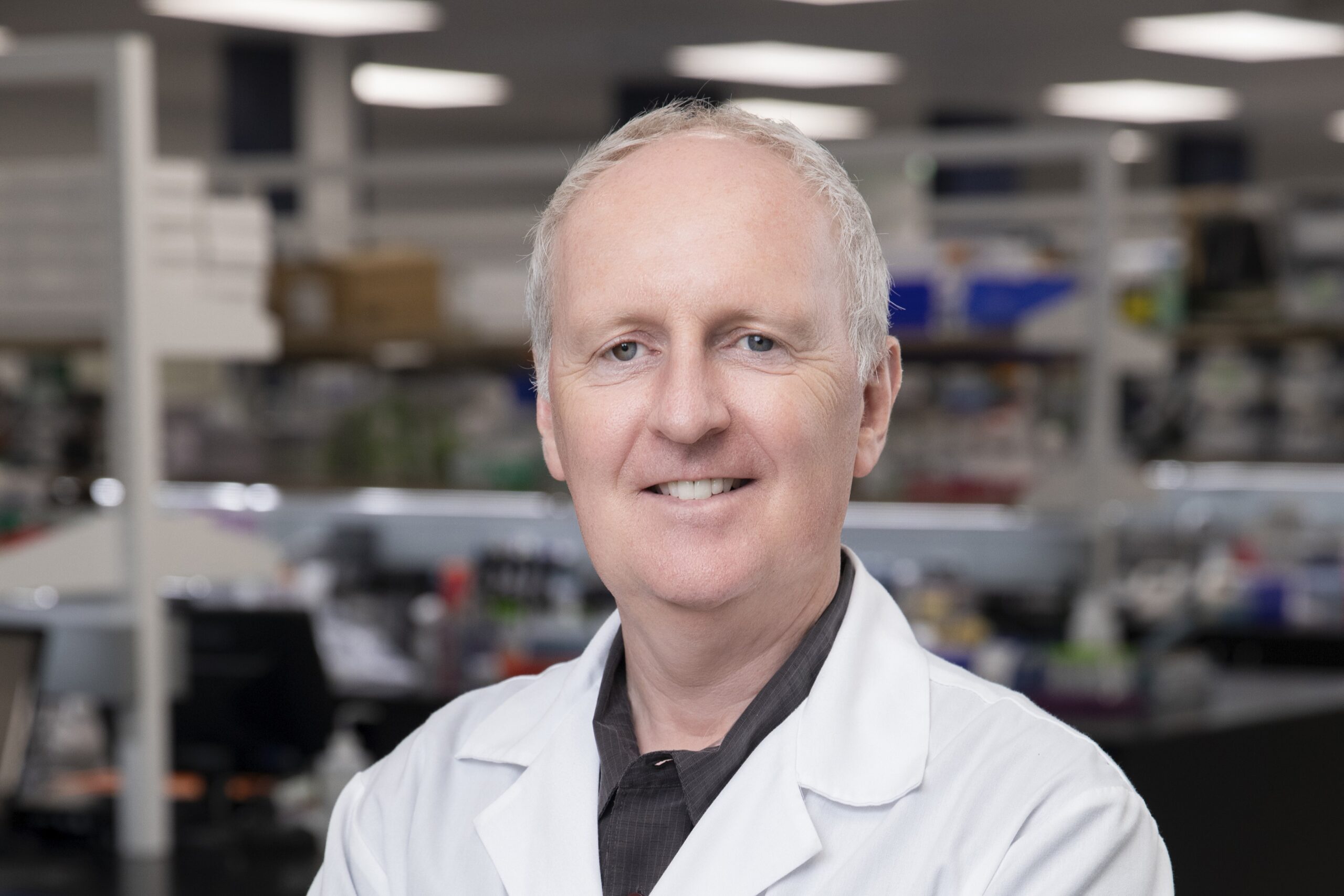
  • Pat Vaughan, Ph.D., Chief Operating Officer at DCN Dx
  • Sarah Barchard, Senior Clinical Trials Manager at DCN Dx
  • Brandon Font, Research Scientist and Technical Services Manager at Biomed Diagnostics

Moderators

  • Mitzi Rettinger, Chief Revenue Officer at DCN Dx
  • Shubhanga Scott, Account Manager and former Research Scientist at DCN Dx

Mitzi Rettinger: So welcome to today's panel discussion, where we'll be exploring the crucial role of collaborations between public health labs and diagnostic developers and advancing STI control efforts. As STI rates continue to rise, it's more important than ever to leverage strategic partnerships and innovative diagnostic tools to enhance detection, management and surveillance. Our expert panelists will share their insights on how these collaborations can be optimized to drive real-world impact, with a focus on the importance of rigorous clinical studies and the potential of emerging technologies. Hi, I'm Mitzi Rettinger, Chief Revenue Officer at DCN Diagnostics, and I'm joined by Shubhanga Scott.

Shubhanga Scott: Hi, I'm Shubhanga, an Account Manager and former Research Scientist here at DCN.

Mitzi: Joining us today are Pat, Sarah and Brandon. Doctor Patrick Vaughan is the Chief Operating Officer at DCN Diagnostics, where he leverages his extensive expertise in the biotech and diagnostics industry to drive the development and commercialization of innovative diagnostic solutions across various disease areas. With more than 30 years of experience, including leadership roles at Trinity Biotech and Hydrogen, Doctor Vaughan brings a deep understanding of the scientific, strategic and operational challenges involved in bringing Novel IVDs to market. At DCN Diagnostics, he plays a critical role in shaping the company's R&D strategy, forging strategic partnerships and ensuring the successful execution of client programs, many of which are STI diagnostics. Pat, thanks for joining us today.

Patrick Vaughan: Thank you for having me, and delighted to be here.

Shubhanga: Sarah Barchard is the Senior Clinical Trials Manager at DCN Diagnostics, where she oversees the design and execution of clinical studies evaluating the performance of novel IVDs. With over 15 years of experience in clinical trial management, including key roles at Roche Molecular, Novartis Diagnostics, Now Roles and Singular. Sarah brings deep expertise in ensuring the successful implementation of clinical research programs. Her work plays a crucial role in advancing the development and adoption of game changing STI diagnostics that can transform public health outcomes. Sarah. Welcome.

Sarah Barchard: Thank you for having me.

Mitzi: Brandon Font is a Research Scientist and Technical Services Manager at Biomed Diagnostics. Brandon plays a key role in aligning Biomed's product development efforts with the real-world needs of healthcare providers on the front lines of STI management. His technical expertise and deep understanding of customer requirements drive the development of innovative, practical and user friendly STI diagnostic solutions. These solutions enable improved patient care and public health outcomes. Brandon, thank you for joining us.

Brandon Font: Thank you, and I am happy to be part of the discussion.

Shubhanga: We're excited to dive into this critical topic and discuss how we can work together to tackle the urgent challenges posed by STIs. Throughout our conversation, we'll explore best practices for collaboration, strategies for designing impactful clinical studies, and the key role that innovative diagnostics can play in transforming the STI control efforts. So let's get started. Pat, could you provide an overview of the current landscape of STI diagnostics and then highlight the unique role that culture diagnostics and lateral flow tests play in this context?

Pat: So I guess over the years is the landscape for STI diagnostics has seen significant impact advancements in terms of accuracy, speed, and accessibility. Traditional methods like culture, diagnostics and then newer technologies, especially point of care technologies like lateral flow tests, all play critical roles in this context. Over the years, the landscape of STI diagnostics has matured, marked by obviously scientific breakthroughs and advancements in that area and then evolving regulatory perspectives and an urgent demand for dependable diagnostic tools. Here in the US, for instance, the FDA's evolving process on STIs, STI diagnostics reflects the changing landscape of technology and then changing public health priorities. This shift in perspective has paved the way for the approval and adoption of innovative diagnostic technologies, including point of care tests and home testing kits, primarily in the lateral flow format. Actually, notably, in this instance, I would highlight the approval of point of care and home testing rapid HIV tests over the last 10 to 15 years. Despite these advancements, the pressing need for dependable diagnostic tools within public health initiatives remains paramount. STIs continue to pose a significant global health challenge, with millions of new cases reported annually. Added to this, it's important to call to mind the WHO statistic that 50% of the world's population does not have access to adequate or essential health care, so timely and accurate diagnosis is essential for effective disease management, prevention of complications of those diseases, and then control of transmission. Investments in research and development and implementation of these diagnostic technologies must remain a priority, obviously, to address the ongoing burden of STIs and improve health public health outcomes. So if we look at the various types of technologies in STI diagnostics and start with culture diagnostics, and I know Brandon will delve into this in a little while, but culture diagnostics involve growing the micro growing of microorganisms from a clinical specimen in a laboratory setting, typically in a petri dish or plate, or in a liquid broth format. While this method is highly accurate, it tends to be time consuming from a point of care setting, and may take several days to yield a result so not suitable if the if the result is needed immediately. However, culture diagnostics remains an essential tool, especially for certain bacterial STIs. Like gonorrhea and chlamydia, where accurate identification of the pathogen is critical for the effective treatment. Newer technologies like nucleic acid amplification tests have become widespread as well. Due to their high sensitivity and specificity. These tests obviously detect the genetic material of pathogens like bacteria and viruses. But these tests, for the most part, are primarily lab based and can be expensive relative to the other diagnostic formats. So obviously, in the point of care setting this typically refers to diagnostic tests performed at or near a patient. Okay. And the lateral flow tests. Lateral flow tests are obviously a point of care test. And these have gained enormous popularity for their rapid results and simplicity. And of course, we are all familiar with the fact that this popularity has been highlighted by the role that they played during the recent, a COVID pandemic. And then even since that pandemic today, they continue to play a major role for diagnosis of all respiratory infections, and especially in elucidating if one has flu or RSV or a COVID infection. They typically work by detecting specific antigens or antibodies in a patient sample and providing the results literally within minutes. Lateral flow tests are especially useful for screening asymptomatic individuals or use in low resource settings, where access to laboratory facilities is limited. Some of the relevant tests obviously detect antigen, like your flu test or your COVID test, but other tests detect antibodies produced by your immune system in response to an STI infection. These test formats are commonly used for screening. Typically great examples of that would be detecting antibodies against syphilis or HIV. So to, I guess, to summarize, culture diagnostics have been impacting global health for over a century and remain indispensable in identifying and characterizing pathogens, giving guiding treatment decisions and supporting public health interventions. Lateral flow tests have played a crucial role in global health, particularly in low resource settings. They have been pivotal in the diagnosis and management of diseases like malaria, dengue and HIV. They're all became instrumental in HIV diagnosis and even more prominent during the COVID pandemic, where they were extensively used for mass testing and screening. Now everybody knows and probably has tested themselves with a lateral flow assay.

Mitzi: So thank you, Pat. What you know, you mentioned a few times some of the advancements in the technology area. What emerging technologies do you see as game changers when it comes to STI detection?

Pat: So I guess advances in technology from culture diagnostics, two point of care testing like lateral flow tests has really revolutionized STI detection. Additional technologies including microfluidics, various types of analyte binders, biosensors and detector reagents, and even our smartphone based diagnostics. These all hold promise for further improving STI diagnostics. These technologies aim to further enhance sensitivity, specificity and ease of use while reducing the turnaround time for results. So if we look at these different advancements, microfluidic devices can potentially allow manipulation of small volumes of sample fluids to perform various biological assays. Binders and reporter molecules continue to be developed and enhance and enhanced, along with the incorporation of biosensors to convert this information into measurable signal. And then nucleic acids based technologies continue to improve the detection of STI antigens, although they cannot determine an immune response or detect increases or decreases in a specific antigen level. Their primary use has been lab based to date, and they do make slow progress into the true point of care testing and but not currently the go to method. Other emerging technologies. Or should I say an emerging application of existing technology is in the area of digitization of diagnostics. This is done with effective LFA or lateral flow readers, and more recently, use of the camera on your smartphone and leveraging the widespread availability of smartphones. Companies are developing diagnostic devices that integrate with mobile platforms for real time data analysis and data transmission. These platforms enable remote monitoring of disease outbreaks. Data sharing among healthcare providers and patient engagement in self-testing initiatives. So overall, these emerging technologies offer exciting opportunities to improve STI detection and surveillance and ultimately leading to better disease management, reduce transmission rates, and improved health public health outcomes. I would say continued research and development efforts are needed to further validate these technologies, optimize their performance, and facilitate their integration into clinical practice and public health programs.

Mitzi: Thank you Pat. So kind of bringing back the culture diagnostics. How do culture diagnostics complement these newer diagnostic technologies and emerging technologies, and ensuring that you get this whole comprehensive STI detection and management?

Pat: I guess in the current landscape, a combination of different diagnostic methods is often used or employed, depending on the factors of all of the, you know, depending on the situation, such as the type of STI infection, patient demographics, and available resource resources. Other influencing factors can be regulatory or public health guidance in the form of accepted test algorithms, for example from the CDC, incorporating multiple diagnostic platform types, culture diagnostics remain essential for certain infections requiring bacterial isolation. While rapid point of care tests like rapid lateral flow tests are increasingly being utilized for screening and early detection efforts, particularly in community settings or outreach programs. As technology continues to evolve. The focus remains on developing diagnostics that are accurate, affordable, and accessible to effectively combat the spread of STIs. Culture diagnostics, despite being a traditional method, still play a crucial role in complementing newer diagnostic technologies through comprehensive STI detection and management. Culture diagnostics offer high specificity and accuracy, particularly for bacterial STIs such as gonorrhea and chlamydia. While newer technologies like nucleic acid amplification tests or LFA tests are highly sensitive, they may occasionally yield false positive results. Then culture diagnostics are the great confirmatory test, helping to distinguish true infections from false positives, especially in cases where treatment decisions are critical. One significant advantage of culture diagnostics is the ability to perform antibiotic susceptibility testing, and this helps healthcare providers identify the most appropriate antibiotic regimen for treating, let's say, a bacterial STI, and especially in cases of antibiotic resistance and nucleic acid tests and other molecular methods do not provide information on antibiotic susceptibility. They are therefore making culture diagnostics indispensable for guiding treatment decisions and preventing treatment failures. I suppose nucleic acid tests are highly sensitive for detecting nucleic acids. They are not suitable for detecting certain pathogens that are difficult to amplify or have low copy numbers in clinical samples. And in those instances, culture diagnostics can overcome those limitations by directly isolating and identifying viable pathogens, including fastidious organisms or those present in lower abundance. And then you asked about lateral flow assays and specific as well. They also play a vital role in STI detection and management. They offer rapid and user friendly testing at the point of care, allowing for timely diagnosis and immediate initiation of treatment. These tests typically can be formed with minimal training and equipment, making them suitable for use in diverse settings including community clinics, outreach programs, and resource limited settings where typically access to a laboratory infrastructure is limited or nonexistent. And then I would say LFAs are particularly valuable for screening asymptomatic individuals or populations at high risk for STIs. Their simplicity and turnaround time enable large scale screening efforts, facilitating early detection of infections, and then the timely intervention to prevent transmission. I would say lateral flow tests can also be deployed in non-clinical settings such as schools, prisons or community events to reach under underserved populations and to promote awareness of STI prevention and testing.

Shubhanga: Pat. It almost sounds like there's no one size fits all. And there's a role for each technology in combating this.

Pat: Yeah, absolutely. There's a lot of synergy between them. And then individually, they find their own niche as well for sure.

Shubhanga: Awesome. So, Brandon, the probably the elephant in the room, the question that you get a lot as a, as a culture expert, how do culture diagnostics, such as InPouch TV and InTray GC, exemplify the continued relevance of culture diagnostics in the era of molecular techniques?

Brandon: Yeah. Thanks, Shubhanga. That's a that's a great question. And thank you, Pat, for providing a comprehensive summary and background on that. And as you both mentioned, I don't I don't think there's one size fits all diagnostics. And as Pat mentioned, you know, traditional cultivation or phenotypic identification still plays. A very big role. I think from a public health perspective probably the most one of the most important roles that culture diagnostics plays is in antibiotic resistance surveillance. For identification of outbreaks, but then also, individual patient health. You know, where could an individual with, you know, gonorrhea infection, have a suspected, treatment failure? And for antimicrobial susceptibility testing, as Pat mentioned. You need to get a bacterial isolate. And that needs to be cultivated and then utilized downstream for further, further testing.

Shubhanga: Excellent. So kind of delving a little bit more into the InPouch and InTray formats. How has the user feedback from clinical and laboratory professionals shaped the development and refinement of the InPouch and entry formats?

Brandon: Sure. That's a that's a great question. And it's probably my favorite one. I didn't work with the initial developer of these tests directly, but I worked with his team and I've obviously very familiar with the history and the development of these devices. So I think, I think the unique aspect of InPouch TV and InTray GC is that these are traditional culture diagnostics. For the InPouch TV, it's a liquid broth. And for the InTray GC, it's a traditional agar. But although they're traditional culture devices, they were also developed with the idea that they could be utilized in low resource settings. And you see that in the design of the unique design of the packaging. The oxygen resistant barriers on the InPouch and the self-contained CO2 generation on the InTray GC. These are very important. They provide very important micro environments for the specific, Trichomonas organism, which is a protozoa or the gram negative gonococcus which causes gonorrhea.

Shubhanga: Could you discuss how the design and the user friendliness of InPouch TV and InTray GC contribute to their effectiveness in these low, resource limited settings and, and their impact on, on global health initiatives.

Brandon: Both devices actually combine sample collection, transport and then efficient, easy to use growth chambers. And within that context, you do need a 37 degree Celsius incubator and maybe a microscope. But other than that. You can. You can utilize these devices in a variety of settings. And I think that's probably my favorite thing about these devices is that they there's a wide variety of clinical settings where they're utilized in this traditional cultivation sense.

Mitzi: Thank you. Thank you. Brandon I you know, I was I was thinking back on your comments around resource limited settings and, and the public health initiatives in general. And, you know, I, I guess what I'm wondering and I'm going to bring this back over to you. If you think about, public health strategies for STI control and prevention, what ways are advancement in, in the diagnostic technologies influencing this?

Pat: Yeah. Great question. And I guess they're doing that in several significant ways. So everything from increased accessibility and outreach, early detection, targeted interventions, surveillance and monitoring and contact tracing and then integration with prevention strategies. So if we step through each of those. So first I guess on accessibility and outreach. These newer diagnostic platforms, such as point of care tests, lateral flow tests, and smartphone based testing platforms are making STI screening more accessible, especially to underserved populations and those hard to reach communities. And these technologies enable testing in non-clinical settings, right? So such as community centers, schools and outreach events I mentioned earlier as well, and then facilitating proactive screening initiatives and therefore also reducing the barriers to testing. Right. So and then early detection and treatment tests like lateral flow tests enable early detection. Right. Even in asymptomatic individuals. And then this leads to timely diagnosis which then ultimately leads to prompt initiation of treatment reducing the duration of that sickness or infection and then reducing the risk of onward transmission. So this proactive approach contributes to the overall control of STIs within communities and the population at large and then targeted interventions. I would say that the use of these tools provide insights into the epidemiology and prevalence of the STIs within specific populations, or even geographic areas. Public health authorities can use this data to tailor targeted interventions such as screening campaigns, outreach programs, educational initiatives to address the unique needs and challenges of high risk groups and communities. Then, in regards to surveillance and monitoring, obviously, molecular diagnostics, including genotyping and whole genome sequencing, enable precise characterization of strains and detecting and detection of the emerging antimicrobial resistance patterns. This molecular surveillance data informs public health authorities about trends in STI transmission, circulating strains, and treatment efficacy. Therefore, maybe guiding policy decisions and resource allocations for effective control and prevention efforts. And then in the whole area of partner notification or contact tracing. And we've all heard a lot about that over the last few years in the pandemic as well, especially for contact tracing. Rapid diagnostics like LFAs facilitate partner notification or contact tracing efforts by providing rapid and accurate test results. Positive cases can be promptly notified, and their partners can be identified and tested to prevent further spread of that infection. And then combining that with digital tools such as electronic health records or secure messaging platform, they enhance communication and coordination among health care providers and public health agencies involved in that contact tracing effort.

Shubhanga: All right. I'd love to get Sarah you into the mix. So we have public health labs playing a crucial role in STI surveillance while diagnostic developers create innovative tools for STI detection. In light of the challenges we face today, how can a strategic collaboration between these two groups be leveraged to enhance the development and utilization of STI diagnostics, particularly in terms of optimizing clinical studies to demonstrate real-world impact on STI detection and management?

Sarah: So I think there are multiple ways that collaborations between public health labs and STI developers can enhance the development and utilization of STI diagnostics. I'm biased. So of course, one of the biggest ways that I think that this happens is through thoughtfully designed clinical studies. Right. The objective of most of these STI clinical studies is to understand the performance of the device. How well does it work in the population, specifically in those groups where that are afflicted with the disease state that we're studying. Right. So when I'm getting ready to or I'm setting up a study. It. Honestly, one of the biggest critical tasks is that we're looking to set up sites and to engage with colleagues that have access to the individuals that are most likely going to benefit from the device. Right. And perhaps talking about it a little bit or STIs most often have higher incidence rates in these medically underserved communities. Public health labs are often they're situated or integrated with the public health departments, and they're set up to provide, you know, routine diagnostic testing or screening for disease prevention in these underserved or medically needed areas. So when STI developers, they work with these public health labs, they're able to better understand how the product works in the intended population. And then in some of these studies, you know, the data then can demonstrate the impact of early detection and management of the disease. Public health labs and STI developers collaborating through clinical studies. Personally, I find I'm really passionate about it because I think that the clinical studies in these communities have major benefits to the community as a whole, right? Of course, we want to understand if the product works, if it's safe, and we can we can use it in these communities. But I think one of the biggest impacts is we're we're bringing technology and we're bringing resources to individuals who might not be able to have access to testing or screening on a regular basis. Now they're being given the opportunity to have this done through the clinical study. Right. And sometimes additionally, through the clinical study, they're getting their standard of care tests completed. And that's a huge deal. We're providing medical, you know, help to these underserved communities. I think one of the also, one of the big impacts of running a clinical study through some of these FLS or the public health labs is through them. We're providing a very basic level of education to these individuals at this site, right, but also to the individuals in the community. We're giving them a very basic understanding about the disease, because we do have to talk to them about the study so that they understand what it is that we're doing. And then I think that they then get some level of understanding or explanation of the impact of testing and screening. They really believe that giving somebody the knowledge about their sexual health and the opportunity then to make a choice about that is probably one of the most impactful ways that we can strengthen our fight against the rise in STIs.

Shubhanga: Great answer, Sarah, that was you know, very powerful and certainly must be so rewarding to take part in these studies and seeing the effect kind of lie. So let's let's zero in on the differences in clinical study design based on the intended use of the products. Could you clarify the clinical research considerations for STI diagnostics based on their intended use, such as in a clinical lab, CLIA-waived lab, or at home testing, and how these considerations could impact developers?

Sarah: Sure. So this is one of my favorite parts of my job, to be honest with you, because I think. The biggest consideration that developers have to think about when, when they're putting together their, their clinical program is what is the intended use of the product. So where is it going to be used and who are they intending to use it. Right. So if you go into a clinical lab with a product, most of the time you're going to encounter people who are trained to use, you know, more complex assays. The explanation or the instructions for how to conduct the test is going to be significantly different than what you're going to provide to somebody who's a lay user at home, going to be using their test to, to, to essentially screen themselves or diagnose themselves at home. So when developers are thinking through the design of their test, it's really important for them to think to themselves, where is this going to be used and who's going to be using it, because that really makes a difference on how it is that we're going to design the clinical study. And I think sometimes we forget that piece and we just assume, you know, that everybody has the same level of scientific understanding as, you know, our the group here does. And that's not always necessarily the case.

Mitzi: How have recent changes in the FDA's approach to STI diagnostics, such as the down classification of certain tests, affected the regulatory landscape for developers? I know there's a lot, a lot of changes. You know, probably even now in particular, how do you how do special controls factor in and to what extent does the down classification reduce the clinical study burden for different types of diagnostic devices, such as point of care or over-the-counter and moderately complex or CLIA-waived point-of-care devices?

Sarah: Yes. I think the regulatory landscape you know, has changed significantly over the years. I can't really speak to specifics for that. But with the, the down classification. Right? You asked about special controls. So special controls are really just an additional provision that the agency uses to measure the safety and effectiveness of a class of devices. The STI products are they're subject to general controls and special controls. And the down classification doesn't really reduce the clinical burden. So we still have to satisfy all of those provisions that the FDA has set out with those, those controls. But it could mean, right, that for things like point of care tests or over-the-counter tests, we still have to meet the same, regulations, but for things like that are moderately complex. Or if the point of care device is being used in a CLIA setting, we'll be able to do something as simple as a method comparison study, and that'll be sufficient enough for the agency to see that the product actually works and that it's safe to be used in its intended use environment.

Mitzi: Thank you. Sarah. I guess you know, when I listen to this, I can see where there potentially be some misunderstandings when people think, oh, it's been down classified. So this should be much easier. But that's not always the case. And it may take just the same amount of time or as it did before, but with just different requirements. Or maybe you could do something differently. So it sounds like it can be quite complex and really dependent on, on what it is and what type of devices are out there and what they're really wanting to do with it. So thank you. You know, I think one of the other potentially challenging things, probably for you and, and other clinical research teams is all this influx of new technologies. So, Sarah, why do culture diagnostics and lateral flow tests really remain indispensable in combating STIs within the public health framework? Even though we're getting a lot of this influx of all of these new tests.

Sarah: I will say that the influx of the new tests is fun for me. I like the new the new things coming down the pipe. But I think culture diagnostics and lateral flow tests are going to stay relevant. They're going to stay indispensable because, like Pat and I were alluding to, right, is that they make testing accessible. They're Affordable. They make them accessible for everyone, essentially, especially in these communities where testing and screening aren't a normal service that people have the opportunity and the access to, to use. Right. So I think with all of the new technology that companies are developing that the real especially with the COVID pandemic and everybody being more familiar with things like the lateral flow tests, it's going to be something that just remains as a, a stable device or product that most people are going to feel comfortable using. And that they're going to find is, is something that they're more likely to reach for.

Mitzi: Thank you Sarah. You know, I, I completely agree. I, I can't say how many times I see an article also coming through on antibiotic resistance and just, you know, it makes me jump back and think of culture diagnostics that's really going to be the tool that we need to ensure that we're giving the right antibiotic and, and that we're doing it fast enough so that we can prevent some of those later developments that happen when you're not treating some of these, especially bacterial infections. So thank you for that. Yeah, I love the message about serving the underserved. I mean, I think it in part that's what drives all of us here in this room today. So everybody in the in the on the panel as we look ahead, what key trends or innovations do you anticipate will shape the future of STIs over the next decade? And I know, I know, I'm asking you to pull out your crystal ball here. But how can the industry prepare for these changes?

Pat: Yeah. So I maybe I'll jump in and take a shot at that. Obviously, this is an area I'm excited about the future. Obviously, we know and use these tried and trusted technologies, but I think there's tons of room for improvement as well. And a lot of innovation coming down the coming down the tracks as well. So I think that, you know, let's, let's, let's say it as it is, I think there are a lot of trends out there of innovation that will likely shape the future of STI diagnostics over the coming decade or more kind of thing. So I think, you know, when you look at point of care technologies, I think they'll obviously continue to evolve, right. And the focus there being on improving sensitivity, specificity, maybe modest multiplexing capabilities where required multiplexing isn't necessarily required all the time. And then I think innovations in reagents, materials, smart use of smartphone platforms, the smartphone platforms. I think this will enable rapid and accurate detection of multiple STI simultaneously and then empowering individuals to self-test and facilitate decentralized screening initiatives. And that's going to be huge in promoting good public health going forward as well. I think another area, and I guess we can't have a chat without mentioning AI at least once. Okay, so I'll be the first one to mention that, right? So I think, you know, artificial intelligence and machine learning with algorithms will likely be an increase role in STI diagnostics operations. Offering maybe automated interpretation of test results, predictive analysis or risk assessments, and personalized treatment recommendations. Obviously, this is a very nascent area, but it'll be I think it'll be exciting to see what will happen in this space. Obviously, it has to be done cautiously, very carefully and then respectful of everyone and their health of their health and data. Basically. So and then, you know, I don't think we're finished yet with uncovering novel biomarkers. There's a lot of work to be done there as well. And then taking that and manipulating assay formats, I think that will drive innovation in STI diagnostics as well. That will enable detection of emerging pathogens, as we mentioned earlier, antimicrobial resistance markers and then host immune responses as well, which is a critical part of STI diagnosis as well. I think improvements then will expand the repertoire of available tests and improve detection of diverse array of STIs. I think, you know, one of the areas that's often overlooked is samples and sample collection. I think innovations in sample collection devices and preservation methods will enhance this area as well, especially in the area of stability and transportability of specimens, particularly in resource limited settings and remote areas. I think noninvasive sampling techniques like urine based tests are self collected swabs even, and we're all familiar with that. I think that will increase acceptability and accessibility while preserving the integrity of biological samples for downstream analysis. And then, you know, the integration of STI diagnostics with digital health solutions, everything from including, you know, telemedicine platforms that electronic health records and mobile applications. I think this will streamline testing workflows, facilitate things like remote consultation and monitoring and thereby enhance patient engagement. I think these digital tools will support a full pathway, right from my testing and diagnosis to treatment initiation and ultimately to follow up. And then I guess you asked, you know, what does the industry need to do? And what are the proactive steps that it needs to take in this regard? Well, obviously I think invest in research and development. We have to allocate resources to R&D initiatives focused on that, advancing the STI diagnostic technologies and exploring, as I said, exploring new biomarkers and improving assay performance. I think fostering relationships between industry stakeholders, academic partners and healthcare and public health agencies. This is going to be vital to identify many of the unmet needs that obviously Sarah mentioned earlier as well, and then addressing the technical challenges to accelerate the translation of innovative technologies into clinical practice. Other things that the industry needs to do, obviously, is address regulatory and reimbursement challenges, enhance education and training, and then obviously promote public awareness and acceptance. And this is vital to raise public awareness about the importance of STI testing, reduce the stigma associated with it, and then promote uptake of innovative diagnostic solutions through targeted educational campaigns, community outreach and advocacy efforts. So I think by proactively addressing these challenges and embracing new trends and innovations, I think the STI diagnostic industry can contribute to more effective prevention diagnosis and management of STI, and ultimately improving public health outcomes and reducing the burden of STIs, which is worldwide, basically.

Brandon: I think that I just wanted to touch on the fact that within the traditional culture diagnostic setting, one of the things that we try to do is, you know, we know that these devices are user friendly and we know that their performance is accurate as far as sensitivity and specificity. And so one of the things that I personally try to do is, you know, how do I how do we scale these devices up and make them more cost effective to even get them, you know, further out in use where we know they're needed. And then how can they continue to contribute with all of these new technologies that Pat mentioned and how they can continue to fit into those testing schemes? To provide the, you know, overall comprehensive diagnostics that is involved with, you know, these global public health goals.

Mitzi: Thank you. Brandon. Sarah.

Sarah: So I think that the gentlemen covered a whole lot of the answer to this, but I just want to weigh in on one of the key trends that I think we've seen over the last couple of years, especially with clinical studies in terms of, you know, how it's going to shape the future of STI diagnostics. I think one of the really big things with the agencies lately is diversity and really understanding how these products work within these different communities culturally. And just, you know, differences in, in the makeup, the general makeup of individuals. Right? So I think one of the things that we're going to see going forward is. Technology is going to be basically very patient focused. It's going to be an individualized, best essentially for each person. Which is a wild concept, right? So Pat was talking about AI and how if there's kind of like this learning that's going to happen, and I think that the industry is going to continue to learn just as like we do with the computers. And we're going to be able to learn more about each of our individual cultures and each of our individual bodily makeups so that the technology that's coming down the down the road is more individualized to the person into the patient, and not just to the specific disease state.

Mitzi: Thank you. Sarah. You know, I agree, everything that everyone said, you know, I think the easier that we make it to sample, the more accessible it is where it's, it's not an ordeal to get the test. In an already very uncomfortable situation that people are in and in some cases, the amount of effort they have to take to actually get somewhere for that test, then, you know, I really think we're going to improve the adoption and the acceptance of the testing. So thank you so much. I think this wraps up our discussion today. I really appreciate it. And thank everyone for listening and hope that you've enjoyed this session. The main takeaway for me was the significant role of diagnostics in the detection and management of STIs, you know, especially culture diagnostics and LFAs. And a special thank you, Pat, Sarah, Brandon, for your thoughtful insight and expertise on advancing STI control efforts through diagnostics and the critical impacts they have on public health initiatives. And to my co-host, Shubhanga, thank you so much for being here and helping me out with the session.

Shubhanga: Yeah. Yeah. I mean, I agree with you, Mitzi, I, you know, kind of had the same takeaways. And I think one thing that kept coming up is, you know, access to serve the underserved, whether it's, you know, a portable device or making things user friendly for low resource settings and really acknowledging, you know, that there's not a one size fits all. It's not, you know, PCR versus LFA. It's every diagnostic. Technology has a role in combating STIs. Not to sound all cheesy, but we're all in it together.

Pat: Thank you very much. Everybody really enjoyed us. I think we're all kind of heading in the same direction. Our thoughts are all aligned here, so I'm excited for the future. You know, I think we've come a long way in diagnostics with still a lot of improvements and innovation that's coming down the track as well. So I'm excited for the future, and I think the team is yet to make sure that the underserved are served as well. So thank you all. It's been great chatting with you all.

Brandon: Thanks so much for having me, and it was great to hear the thoughts from all the experts. And I learned a lot.

Sarah: So I just wanted to say thanks for having me today. It was a wonderful chat and I appreciated the opportunity to learn from this group. Pat and Brandon, you guys were fantastic and I can't wait to do this again.

Subscribe to the DCN Dx Newsletter

Get in touch

3193 Lionshead Ave
Suite 200
Carlsbad, CA 92010
USA

No products in the cart.

[biospecimens_menu_source]