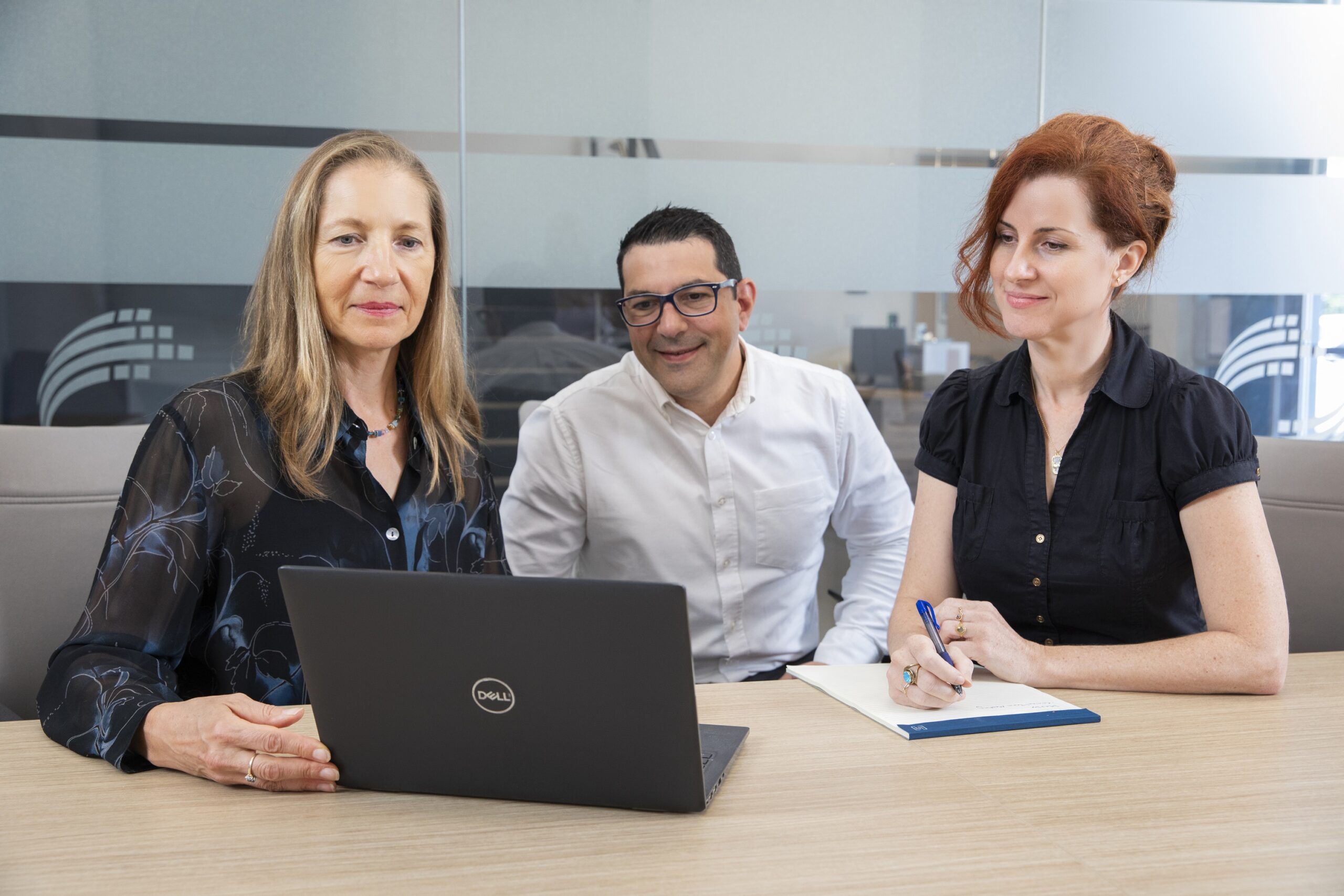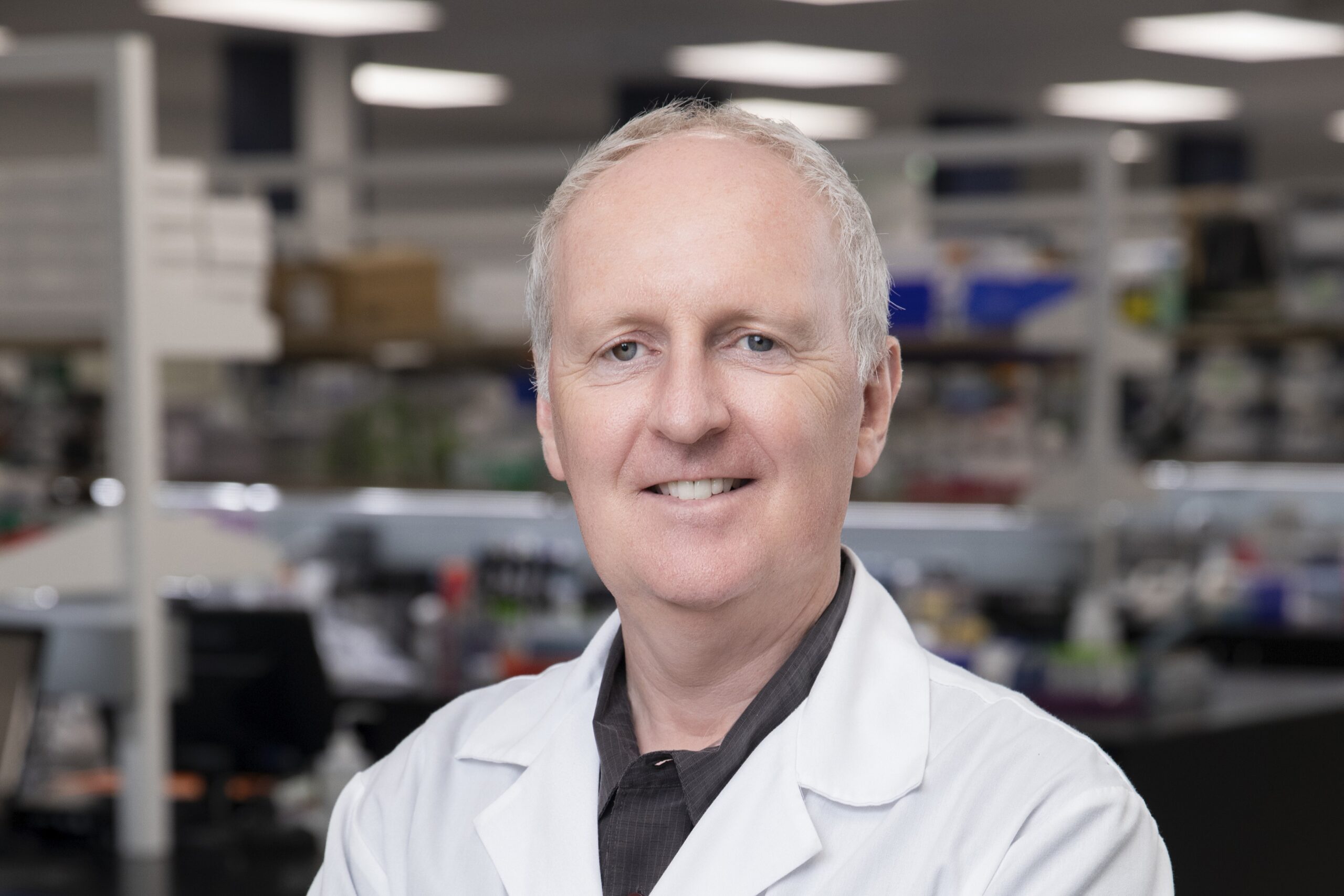
In this episode of Expert Insights, Mitzi Rettinger sits down with Sarah Barchard, Senior Clinical Trials Manager at DCN Dx and co-author of our Expert Insights whitepaper on de-risking IVD studies for regulatory success. Sarah shares the most common and costly pitfalls she’s seen in hundreds of diagnostics programs, and walks through practical strategies for getting clinical, regulatory, and data teams aligned early. The conversation spans intended use, pre-submission engagement, biostatistics, human factors, and what it actually looks like to “fix” a struggling clinical trial before it derails a submission.
Mitzi Rettinger: Welcome to Expert Insights, the DCN Diagnostics podcast, where we get to explore what's next in diagnostics development. I'm your host, Mitzi Rettinger. If you're new to the show, I lead the commercial team at DCN, where we help diagnostic innovators bring lateral flow and other IVD test formats to market through full service CDMO and clinical research support. Our guest today, Sarah Barchard, Senior Clinical Trials Manager at DCN. Sarah is co-author of our latest whitepaper on how to build IVD studies that avoid regulatory friction, a topic she's lived through across everything from De Novo and 510(k) to IVDR submissions. She's here to share what really makes or breaks a clinical program, what high performing teams do differently, and the small decisions that can make the difference between first-pass clearance and a year of back and forth. Sarah, welcome to the show.
Sarah Barchard: Thanks, Mitzi. I'm really happy to be here.
Mitzi: Let's start with your background. For those who don't know you yet, what's your path into IVD clinical trials and what's your focus at DCN Dx today?
Sarah: So I worked as a lab assistant. Funny enough, when I was an undergrad and was actually searching for a laboratory job for after I graduated, Emily was part of a group that hired me for a Junior CRA Clinical Research Monitor position supporting Roche's cobas HPV test for cervical cancer screening. I was trained to monitor the testing labs participating in the study, but also as an operator of the system so that I could support the labs with troubleshooting. When I started at Roche, I didn't know anything about clinical research, much less being an IVD CRA, and my time working was supposed to be limited to a year because I was intending to go to medical school. Really because I was focused on wanting to help people. But I ended up staying at Roche for a few years, quickly realizing that clinical research gave me the opportunity to combine my science background, skills working in a lab, and my ambition to help others. After I was at Roche, I was a CRA at Novartis, when they had a diagnostics division. And again I was working with Emily. At the time, we were managing early access programs in Europe, and eventually we conducted a clinical study in China. After that, I worked for a few years as a CRA on the pharma side of the business, but jumped at the chance to join Emily again when she was at an immunodiagnostics company that unfortunately closed its doors in 2019. Then I worked on a number of companion diagnostics studies and studies for cancer screening assays, which brought us to the height of the pandemic, where I supported a number of manufacturers to design and execute clinical studies to support their emergency use authorization for point of care and over-the-counter or home use products. Finally, I joined Emily again at DCN in the fall of 2021, where we have focused our services on conducting IVD clinical studies for high-complexity assays, point of care devices, and even over-the-counter or at home products for our clients.
Mitzi: Well, Sarah, I'm really happy that you followed Emily all throughout your entire career ended up at DCN, so that's such a great story. SARAH Thank you.
Mitzi: Your new whitepaper discusses the five biggest avoidable mistakes you see in IVD clinical and regulatory programs. If you had to just pick one as the most common root cause of downstream pain, what is it and why is it so easy to get wrong?
Sarah: So that's an easy one. So critical issues in a program will most certainly arise when there isn't agreement from the cross-functional teams on the intended use of the IVD product. I wouldn't say that teams necessarily get it wrong, but they may struggle to come to a consensus on the intended use because each functional group likely has different objectives that they're trying to achieve. It's important for the team to clearly define the intended use for the product, because it's a key component in setting up the regulatory and clinical strategy framework for the product.
Mitzi: That's something to think about in the whitepaper, you've talked a lot about alignment in the clinical program design, and I'm going to want to come back to this intended use comment again later in the conversation. What does clinical alignment, which was where you started first in your response there? What does that mean practically for a diagnostic team? Can you maybe share a real-world example where there was early misalignment that led to a problem, or maybe great alignment that caused it to go through very smoothly?
Sarah: Yeah. When we talk about alignment, what I really mean is that it's important for the team to engage all of the key stakeholders for each of the major stages in the lifecycle of an IVD product when planning the program. Programs that involve research and development or the technical side of the coin, regulatory, clinical, manufacturing, commercial, you know, the whole gamut of the team are more likely to be successful in bringing their product from concept to market. In the paper, we describe a situation where we have an STI product that's originally intended for prescription and over-the-counter use. It had issues because the program really lacked alignment across all of those functional areas. The commercial team had their own set of goals that they were trying to meet, while the product development team was analytically working to fill a different objective, and the regulatory and clinical design validation studies that didn't generate data to adequately support the client's desired claims. So it ended up being really costly honestly, from a timeline and monetary standpoint for the client, when all of the teams weren't aligned on the clinical program and what it was going to look like.
Mitzi: When I read through the paper, that one did stick out to me. It reminded me. You've seen so many pictorials. While you have all of these different groups defining one objective and how those pictures all look differently in the end. And if you don't come together, I can see how that could be really costly, especially if you're having to start over. SARAH Absolutely.
Mitzi: One thing I hear from our sponsors all the time is confusion over when and how to use pre-submission meetings. What's your advice for teams who think pre-subs are just a formality or an extra delay?
Sarah: Ooh that's a great question. I think honestly pre-subs are an incredibly valuable part of the pathway for an IVD product. It really allows manufacturers to proactively engage with the agency to better understand requirements and how to meet those expectations with minimal risk of delay or ultimately getting a rejection. My advice is to use the service to your advantage, right? Submit a pre-sub. Do it early and be very focused on the guidance that's needed. I tell a lot of clients and when we work together to put together a pre-sub, we make sure to ask very specific questions and not open ended ones. So in terms of something like your clinical study design right. Instead of asking the agency. Do you agree with my clinical study design? Asking very specific questions. Are you in agreement that this is an appropriate comparator? Are we in alignment on the number of tests that need to be completed to meet study endpoint? Those kinds of questions will give you feedback. I think that is useful for your product, and the feedback can be incredibly informative in the development, analytical and clinical work that needs to be performed for the program.
Mitzi: That's really insightful. And I guess the big thing that I was always surprised when people want to do it is it's free. I mean, it's not there's no fee to go and get advice from the agency and it seems like a missed opportunity. SARAH Exactly.
Mitzi: Once a client does a pre-sub, what's the biggest mistake that teams make with the feedback they get back?
Sarah: So from a clinical perspective I think that there really probably are two missteps that could happen. One is not incorporating the feedback into your clinical study design. So say you get feedback back and you've already started your study. A misstep could really be that you don't use that advice and incorporate it into the study design. FDA feedback through the pre-sub process. It's not binding, but it does give you an idea of what the agency's current stance is on the topics. So it's beneficial to most programs for you to consider that when you're conducting your clinical study. The other kind of misstep I could see that happens a lot of the time, is not asking for further clarification on feedback or essentially pushing back and requesting additional guidance on your proposed plan for the clinical work or your analytical studies. I worked with a client who received feedback from the agency about a comparator method for their validation study, and the comparator method was going to be a composite comparator. So they were going to use they were being asked to use three different FDA cleared assays to compare to in their clinical study that was going to cost them an additional hundreds of thousands of dollars to implement. Just imagine, instead of comparing to 1 or 2 assays, you're adding a third assay, meaning you have to either find another lab, or you need to ask your reference lab to add an additional test. It's a lot of cost. So the clinical regulatory team and I worked really hard to put together a supplemental submission to the agency that asked for a meeting, and it also provided the agency with complete literature, evidence on why or as a justification for the current clinical study design, which only involved a single comparator method plus a comparator in case there were any discrepancies or there was a result that came back inconclusive. That, along with the remote meeting, allowed the client to be able to kind of justify their clinical plan. And in the end, we were able to gain buy in from the reviewer that the current clinical pathway was appropriate for the assay that they were trying to market.
Mitzi: Wow. So just having that second meeting, they were able to bring it back down to one, potentially one and a half comparators that can make a big difference in the overall cost.
Sarah: I can see it absolutely did. I mean, it was a difference between almost $1 million study to a two and a half, almost $3 million study.
Mitzi: Wow. That is a big difference. When you see something like this on a response to a pre-sub. And it's kind of, you know, has a little bit of a red flag to say, hey, let's go back to the agency. Usually I would think that you would benefit from getting more regulatory input at that point as well. And switching gears just slightly from that. Are there any clues in the protocol or the study plan that signal trouble ahead?
Sarah: I think the place where you can really hone in on needing additional regulatory support from just looking at a clinical protocol is in the intended use statement. If it's not clearly defined for the product or the intended user group and the use environment, then that's a definite sign that you need to involve regulatory, right? I would say in most instances also is if the team doesn't have a regulatory strategy already developed, regulatory and clinical really work hand in hand on not just the submission and the clinical study, but for the clinical program and the life cycle of the product, work really closely together to ensure that we meet requirements and that we get everything done. So I think if your program and your protocol, if you're looking at it and you don't have a very clearly defined intended use statement, that's a huge red flag that you're going to need some additional regulatory support. We recommend all the time that our clients consult with our regulatory expert, especially if they're unsure also of the regulatory pathway for the product. We have a lot of clients who would benefit from just a chat with our regulatory expert about what the plan is, and that's what I was talking about. A regulatory strategy, right, is that you don't already have that you absolutely would benefit from a quick 30 minutes to an hour chat with our regulatory expert to kind of figure out what the pathway is for you. And then from there, we can design a clinical study protocol that is robust and will meet the objectives of your intended use.
Mitzi: You were talking about, you know, bringing regulatory, clinical and technical. Together and having this alignment and where you see the red flag is the intended use statement. Do you have an example of where the strong alignment would have helped a client recover from a near miss or avoid a costly setback? And maybe it is related to an intended use statement, but just do you have a real-world example you can share?
Sarah: Sure. Actually, I can recall two kind of scenarios where the cross-functional teams were set up. Very much the opposite, to emphasize kind of the importance of that strong alignment. I worked on a project a few years ago for an over-the-counter lateral flow product where regulatory, clinical, technical and all the other key stakeholders hardly met to discuss the clinical program. When we did meet, there was a lot of resistance to sharing information amongst the teams. I'm not sure why, but there was the technical team had performed. Actually, they had performed a usability validation study, so they had done that and it was completed without input from clinical or regulatory. And I just want to be clear. Usability validation studies are clinical studies. So those are usually done on a on the clinical side, not on the analytical side of the company. And during the clinical study, it was discovered that the study designed for the usability didn't meet proper regulatory requirements. That was a problem, right? Because it really led to the clinical team then struggling during the clinical study, because the design of the product and the provided instructions for use didn't make sense. Essentially the majority of the times the lay user was not able to successfully initiate the test because the test was difficult to use and the instructions for use were not clear. The clinical study was eventually paused, and during the root cause analysis or the root cause investigation, I'm sorry. It was discovered that the usability study, because it was conducted in silo by the technical team, that they actually enrolled the wrong user group. So it was an issue that could have been identified and mitigated prior to the clinical study. But it wasn't because the teams weren't talking. They weren't sharing information. Then we had another issue. When the regulatory team was putting together the market submission, it was identified that several of the analytical studies hadn't been completed, and the submission ultimately was delayed for several months while we completed the analytical work for the product. So you can see there that there was a lot of breakdown in communication and groups. Doing work in silo was not beneficial to the team at all. Conversely, I've been witness to a program recently that early on had the research and development team very much again siloed from work that the clinical team was conducting. Right. After an unsuccessful beta study, the study team really worked hard to integrate relevant stakeholders, including the technical team and clinical, into the program, and then the client was much more successful when running their clinical study and maintaining the original projected timeline for submission were really close to getting that product submitted to the agency now.
Mitzi: Thank you so much for sharing those real-world examples. I think it helps people put the pieces together and see how things can go well or not so well if you're not aligned. You know, you mentioned usability studies and one of your examples there, and it seems like usability and human factors seem to trip up. Even experienced companies like why do teams still delay this? And what's your advice for getting it right up front?
Sarah: Yeah, I think that companies aren't necessarily delaying the studies, but they may not honestly even know that they're needed and are a crucial part of validating a diagnostic test. Right? A lot of laboratories that perform high complex assays have users that have been trained and certified as proficient to use the diagnostic device, and in those instances, you don't need the same type of human factors and usability validation studies that you do for CLIA-waived tests, which are intended to be used by individuals with little or no training. So human factors they are becomes really important. The information that you gain from performing those studies before clinical validation can better inform your instructions for the product, and in turn, have a more successful clinical performance study outcome. Like I was talking about in my previous example, right. They did the usability work, but then the clinical team never got that information. And if they had gotten the information prior to running clinical validation, it may have made the team stop, reevaluate what they were doing or what the instructions for use look like and even the design of the product, and maybe have some additional tips and tricks or additional rework that had to happen for the product itself, if it really was intended for somebody who had no training. So I think for human factors and, and usability studies that companies. Just may not be aware that they need to do the work. My advice for getting it right up front is to integrate and continue to keep the communication lines open with the entire team, because I think from a regulatory standpoint, they are probably knowledgeable about the need for human factors. The clinical teams, for sure, especially here at DCN, are very much aware of the products that require that kind of work. So I think having everybody aligned on the clinical program and having a strategy for what the lifecycle of the product is going to look like is really important.
Mitzi: That makes a lot of sense. Sarah, let's get tactical for a minute. When you're developing your clinical study, what are the key elements to consider?
Sarah: Two big ones. I mean, we've been talking about them the regulatory pathway and then the intended use statement. So these two elements really drive the design of the clinical work that needs to be completed. So, for instance, classification of the device when you're working with regulatory is considered to determine the type of clinical study that needs to be conducted, not just the type of clinical study, but also the analytical work. Right. And then use the intended use that'll dictate the type of site or environment that you'll be validating the product in. So CLIA-certified versus CLIA-waived the user for the product. So someone that's trained to run high-complexity assays like a lab tech or a trained scientist or a lay user, a complete novice when using the IVD product or somewhere in between, somebody with medical background but not necessarily trained to run these high-complexity assays. We're also going to be looking at how the product is intended to be used. So is it a diagnostic device or is it a screening assay, etc.? I think those are really important to look at when you're developing your clinical study. And those are the types of things that we consider when we're putting a program together.
Mitzi: How does data management fit into all of what you just described?
Sarah: And so clinical operations works incredibly close with data management during all parts of the clinical study during the planning phase. Right. We're really looking at the study design and how we're going to capture all the relevant data to prove that our study objectives are met, and then monitoring and managing the study. We're working with data management heavily on that portion. And then during obviously cleaning of the final data set for analysis. So the clinical team really incorporates or it really includes an operations team, a data management team and a biostat team. So we really work in sync with each other to ensure that the clinical study is successful. So there are certainly a lot of alignment that needs to happen within and across functions to really have success.
Mitzi: Absolutely. Yeah. We've talked about clinical study design. But let's back up a little. What do teams risk if they wait to bring in regulatory until the trial's already starting to get executed, instead of during a planning phase or even the start of assay development?
Sarah: So we touched on this a little bit earlier when we were talking about alignment, right? Across all of the cross-functional teams. In my experience, if the core team doesn't include regulatory early on in the lifecycle of the product, there's a risk that the program will lack evidence to support the agency's regulatory requirements. In other words, there's a possibility that required studies analytical and clinical aren't completed, or the studies that are completed aren't adequately designed to generate evidence that supports the product claims. Both of these scenarios will ultimately put a manufacturer's timelines and budgets in jeopardy, and could result in a delay in bringing the IVD product to market. Or worse, you get a rejection from the agency.
Mitzi: That's really insightful. Sarah. Thank you. DCN Diagnostics is unique as both a CDMO and a CRO, seeing all sides of the process. What do high-functioning teams do to keep handoffs from breaking down between regulatory, R&D and clinical? And you've kind of already mentioned this a little bit about where it falls apart. How does a team function and really smoothly move from one department to another?
Sarah: Yeah. The alignment most often falters when there's a gap in communication, when there's a delay integrating cross-functional groups, and when the regulatory strategy isn't clearly defined. So high-functioning teams like the ones here at DCN do well to prioritize all of those things. DCN is unique in that it's both CDMO and CRO. It has both business units, so for clients that develop their products with us, the handoff to clinical research services is, in my opinion, seamless, right? We're used to collaborating together. So communication and including each other and the applicable other applicable stakeholders is like second nature. We're all doing it because it's our regular rhythm. But for clients that choose DCN for clinical research services, whether it's just clinical operations, regulatory, data management, to biostat. I find that our team really prides itself in establishing efficient communication channels, fostering collaborative teams that include critical team members to work towards a clearly defined strategy for the product. And I think that the team does all of those things really well here at DCN, whether you start with us or come to us later in the lifecycle of your product, and that's how we ensure that the programs are the most successful, that they can be.
Mitzi: Communicate. Communicate, communicate.
Sarah: Yes. Yes, exactly.
Mitzi: So what's one misconception you see in diagnostics, especially among new teams or first time sponsors that you wish you could correct for everyone listening?
Sarah: Oh my gosh. This is probably one of my favorite questions that you've asked me, and probably one of my most thought about questions, honestly. I think that the biggest misconception is about how much time and effort it takes to conduct a diagnostic study. IVD programs are so niche, especially when compared to pharmaceutical and traditional medical device studies. Although the studies don't span as long in time, studies that we do are still really complex and require a significant lift from the team in conducting it. So what I can't emphasize enough to people is how important it is to start early and start planning your regulatory and clinical framework, yesterday.
Mitzi: Sarah. That's really nicely said. And being a part of not only listening and learning from you and the DCN team, but hearing our clients on the other side sometimes so surprised at what goes into it and what they need to do or how far behind they are. It's nice for you to provide those insights to everybody listening. Thank you for being here and for sharing such a practical view of what works and what can go wrong in IVD clinical trial design. For those interested, you can download the full whitepaper from the SelectScience website or DCNDx.com. And for the listeners who want to go deeper on topics like regulatory alignment, trial strategy, and data management. You can join us this October at the Advanced Lateral Flow Conference in La Jolla, California. It's where Rapid diagnostics developers, CRO experts and innovators connect to tackle these issues in real time. You can register at alfc2025.com and use the promo code INSIGHTS for 10% off your pass. Thanks again Sarah.
Sarah: Thanks for having me, Mitzi. It was really great to get to chat with you.
Mitzi: You too. And thank you to our listeners for joining us on Expert Insights. If you enjoyed this episode. Don't forget to subscribe and leave us a review. We'll see you next time.