Learn What Makes DCN Dx’s Lateral Flow Training the Most Sought-after in the Industry
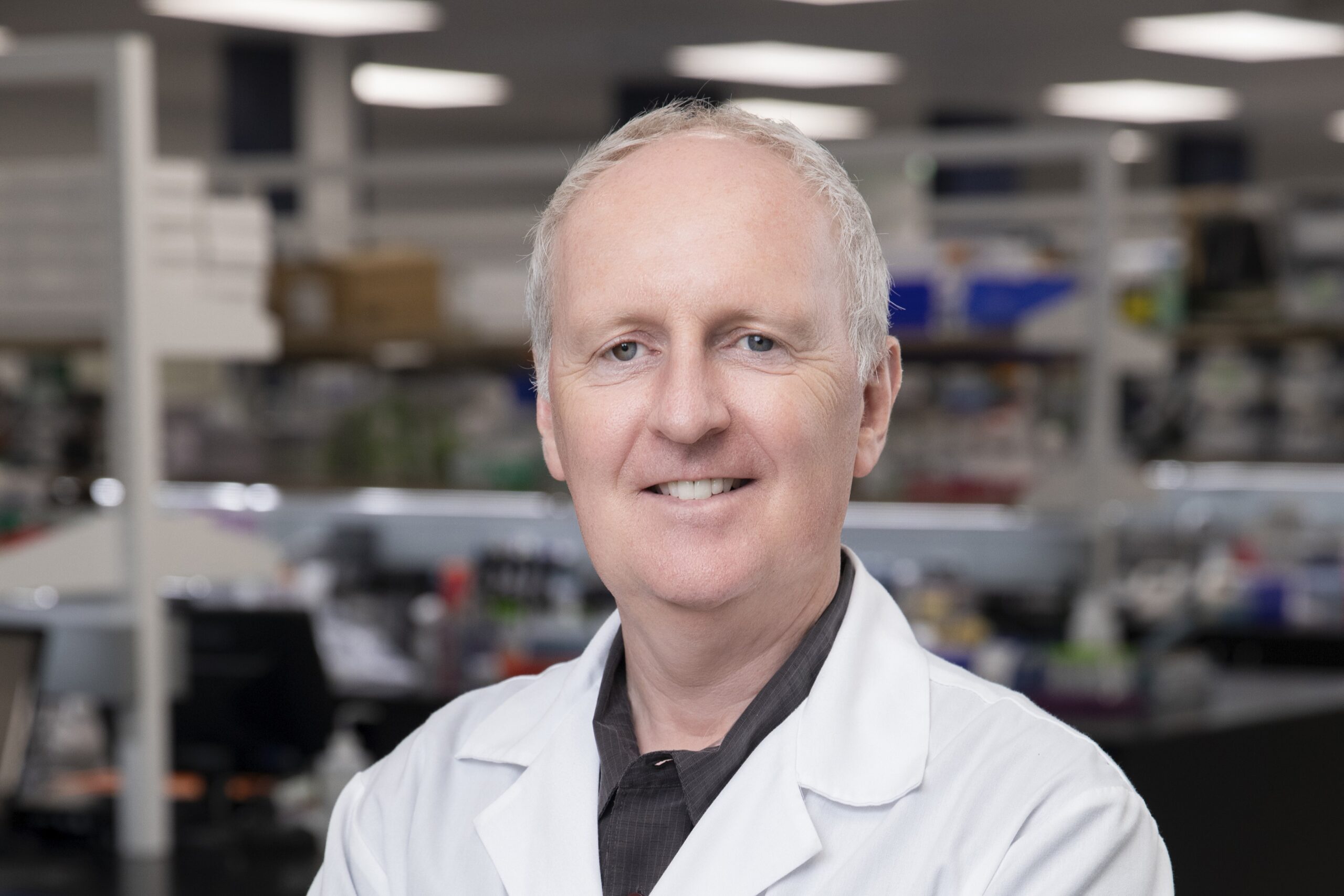
In this episode of Expert Insights, host Mitzi Rettinger sits down with Melanie Bader, Research Scientist and Training Specialist at DCN Dx, to discuss the 2025 Basic Lateral Flow Training Course. Designed for professionals looking to deepen their understanding of lateral flow assay (LFA) development, this three-day course combines expert-led lectures with hands-on lab work to provide attendees with the technical knowledge and practical skills necessary for successful assay development.
Melanie shares her extensive experience in LFA development and what makes this training program one of the most sought-after in the industry. Together, she and Mitzi explore why structured training is crucial for both newcomers and experienced professionals, the hands-on aspects of the course, and the vibrant learning environment at DCN Dx’s Carlsbad, California, headquarters.
BLFT attendees will gain expertise in design control, reagent selection, reader technologies, manufacturing considerations, and troubleshooting strategies—essential knowledge for bringing robust diagnostic tests to market. This episode discusses those topics. Plus, listeners will hear about networking opportunities, group dinners, and how past participants have leveraged this experience to advance their careers.
Whether you’re an entrepreneur, scientist, or engineer looking to refine your LFA skills, this episode is your gateway to understanding why DCN Dx’s training course is the industry gold standard.
Listen below, or find us on your favorite podcasting platform.
Why Listen?
This episode dives into the “why” behind DCN Dx’s Basic Lateral Flow Training Course. You’ll gain insights into:
- What makes DCN Dx’s Basic Lateral Flow Training Course a must-attend for LFA professionals.
- The importance of structured training in avoiding costly development mistakes.
- An inside look at the course structure, including lectures, hands-on labs, and troubleshooting exercises.
- Why Carlsbad, California, is the perfect setting for professional development and networking.
- How past attendees have benefited from this lateral flow training and applied it to their careers.
- Details on how to secure your spot. (Hurry! Early bird for the February course ends soon!)
Mitzi Rettinger: Welcome to Expert Insights, the DCN Diagnostics podcast, where we explore the latest trends, challenges and opportunities in diagnostic development. I'm your host, Mitzi Rettinger, and today we're going to dive into a topic that's foundational for anyone working in the lateral flow assay space. Specifically, we're talking about the 2025 Basic Lateral Flow Training course offered right here at DCN. Joining me today is Melanie Bader, Research Scientist and Training Specialist at DCN. Melanie, welcome to the podcast.
Melanie Bader: Thanks, Mitzi, it's a pleasure to be here. I'm really excited to talk about the course, which has been one of our flagship programs for advancing lateral flow expertise in the industry.
Mitzi: Well, great. Before we dive into the course details, I think our listeners would really love to know more about you. Can you tell us about your background and how you got into lateral flow assay development, and even to DCN?
Melanie: Absolutely. I've been in the scientific research field for over 17 years, working across academia and industry. I started out with a Bachelor of Science in Neuroscience from the University of California, Riverside, and since then I transitioned into research roles focused on cell biology, molecular biology, and assay development. So over time, I specialized in lateral flow technologies, contributing to everything from product development to team leadership. And at DCN Dx, and I've had the amazing opportunity to be able to combine my technical expertise with my passion for education by teaching courses like the basic lateral flow training, seeing attendees connect the dots and gain confidence in their skills is the best part of my job.
Mitzi: Speaking about the best part of your job. I'm sure there's been so many memorable moments. The why you enjoy coming to work every day. Well, will you share one of those favorite moments with us?
Melanie: Absolutely. One of my favorite moments when conducting a basic lateral flow course was, you know, basically when the attendees feel so accomplished at the end of a course, seeing the fruits of their labor, every attendee will build their own lateral flow tests in just three days and truly see how just one change to the test can sometimes drastically affect some results. And that aha moment. There is just that truly special moment, because they really get to take home with them the understanding that every test is truly different and unique and those moments. So it's not really a specific moment, but I do see that moment in every course I teach.
Mitzi: That's fantastic Melanie. Having taken part in the course myself and talking with many of the attendees, I can say that it's one of the most engaging and practical training programs I've ever been a part of. So from when you ask them what their objectives for the course are all the way to the end, when you're finding out how we met those objectives, it's just really exciting. So what inspired DCN to create this course?
Melanie: Well, that's a really great question. Let's see. You know, at its core, this course is about addressing a significant gap in the industry. See, lateral flow assays are often seen as quite simple tests, right? But there's really a ton of complexity beneath the surface from reagent compatibility to manufacturing scalability. So many new developers, they face really steep learning curves, which can really lead to costly delays or failures. And it's okay to fail. We just want to fail fast, right? So our goal here is to provide a structured foundation that helps attendees avoid some of these pitfalls. We're not just teaching how to develop an assay, which is quite important. We're also teaching the why, and that step definitely matters there. It's about empowering the participants to approach projects with confidence and clarity.
Mitzi: I will admit, when I when I first started my deep dive into lateral flow assay development, I too did not understand how complex it was. I think, you know, one of the big examples for me was, you know, anytime you look at product literature from different providers, you know, there's usually use this material for this assay. This antibody is perfect for this assay, but really the best assay. After several years of watching and seeing programs come in and out is the one where you've tried many different materials and antibodies. Because every assay is unique and different, and really the only way for someone to know is to do it themselves. And I think that's a big component of this course.
Melanie: You hit that right on the head. Mitzi and I just want to talk to kind of how we do a little bit of development here at DCN, and we are agnostic to the materials we use. You know, a lot of companies say, hey, use this antibody pair, hey, use this material for a conjugate pad. And, you know, certainly we can try and do that. But what really sets us apart in the lateral flow industry is that we try everything, right. We basically throw everything out the wall and see what sticks. And I think a lot of the pitfalls that developers fall prey to is that they try and fit certain materials into their assay, but we don't do that. We'll take a look at the variety of materials, and we will create an assay where the materials and reagents work synergistically together so that we can maintain sensitive, specific and robust results.
Mitzi: You know, that's so important and definitely a lot of things to consider when you're you're starting at that, that clean lab bench. Certainly. So let's talk about the course itself. What can the attendees expect over that three days?
Melanie: So it's an exciting three days, right. The course is a mix of lectures and hands-on lab work. We get to get in the lab and do some lab practicals here, designed to basically cover the entire lifecycle of lateral flow development. So here's kind of how it's structured for the first day. We start with the fundamentals. This is basically the development process and design control I give you know, in-depth lectures in the morning on materials and reagent selection, focusing on how to choose membranes, conjugate pads and those types of things. Then the latter half of the day, we do hands-on exercises in the lab to reinforce these concepts. Now day two this day focuses on processing essentials. We cover everything from material treatment to reagent application and drying conditions. We also explore reader technologies, including quantification methods. So that's really important for those who are extremely data-driven. And the lab work there involves kind of building and evaluating these test strips. Now day three is a final day and we delve into manufacturing considerations stability studies troubleshooting strategies. We also discuss cassette design and molding a topic that's really critical for ensuring usability and scalability. We've had a lot of attendees really enjoy the cassette part, because it really kind of shines a light on how important a really small piece of plastic can play this, this big role of lateral flow, though. So the hands-on section focuses on iterative testing and optimization. So we recently added an important new course section on day three too, which is an overview of clinical research and regulatory factors to kind of keep in mind for a lateral flow assay development. So by the end of the course, attendees leave not just with the knowledge, but with also practical skills that they could apply immediately in their own labs.
Mitzi: That's fantastic. And I really like how you've thrown in clinical research and regulatory because on the clinical side, you know, a lot of people will come and they'll have this fantastic idea for this great diagnostic, and they come into their development and they forge ahead with just really that idea that this is what the world needs for this particular test. And then they're partway through and they realize they have not taken that into consideration, and it might cost them money. They may have to go backward and change some things to, to meet those regulations. So that's it's great that you're giving some of that to these early in concept so that they can be prepared.
Melanie: Absolutely. The life cycle of lateral flow development is, you know, you kind of have to take a take a look at it from a step back from a whole. Right? It's not just development, but taking it all the way through and making sure that every step is really nice and just kind of segues into the other instead of piecing everything out and realizing you're missing something. That's like the worst thing that you could do. Right. Because if you go back, that's time. That's money. So we try and streamline that process for you especially, you know, in this basic lateral flow course.
Mitzi: That's great. And I'm sure the attendees, they're always probably asking you specific questions about some challenges they might be having during their own development in their labs. So earlier you talked about aha moments. So have you seen aha moments from your attendees when they've said, hey, I think you just solved my problem just by, you know, I didn't even consider this. Have you seen some of that in the past?
Melanie: I have definitely seen a lot of aha moments, and that's basically throughout the whole course. Since there's not one particular day or moment where I feel like, you know, most attendees get that aha moment. You know, it's a wonderful thing to experience because there's not just one moment, right? We're all waiting for to feel like the course is worth it. You know, I've been teaching this course for over two years now, and I still feel excitement every single time I present the material. But I can say one moment in particular, though, was when an individual had the chance to play with the dispensing machinery. I see a lot of eyes light up in the lab when they get that hands-on experience, and I've been told that it's been super useful, and they can take this learning with them and apply it back in their lab. It's really, really a very gratifying moment to see those aha eyes light up.
Mitzi: Yeah. That's great. It is such a comprehensive program and one that I appreciate during the course. I think that we haven't talked about yet is really that sense of community. Can you talk about how attendees connect? Outside the classroom?
Melanie: Sure. So, of course we have breaks, right? I'm not going to go through just eight hours of, you know, lateral flow, and that's all it is. We certainly have things like lunches, which I, we, I like to kind of take in some of these program managers, you know, our engineers and our account managers, to come and actually show you kind of the offerings that DCN has. Right. If you're a little bit more on the scientific side, you kind of want to pick our brains of the program managers who have a wealth of experience here. And, you know, we also have our dinners as well. So we have one dinner that we host for the attendees. And this is just a really great time to let down our hair. And, you know, talk about science as well as, you know, stuff that they do as individuals. We kind of want to know who attends these, and we have a really good time. I think that, you know, these moments where we can connect outside of the classroom, kind of really build these relationships where they say, hey, lateral flow is a smaller community here, but we're all here for each other, and we all want to help each other out and make sure that no lateral flow remains something that's important to everybody who's doing it and everybody who needs it from here and in the future.
Mitzi: That's great. I agree with you. First of all, Carlsbad is a beautiful location. And if someone needs to go somewhere for a training. Certainly this is a fabulous place to be. Just, you know, really the restaurants, the relaxed coastal vibe, it's very easy to unwind after that full day of learning. But if I think about the course and me personally, I would hone in on the lunchtime and you talked about bringing people in, I think what I love is that they can casually ask very specific questions and get answers that from experts, you know, people who have been doing this for a decade or more. And, and they can actually feel like this is a part of their learning. And I've seen a couple of times where we've even had opportunities where someone will say, do you have experience in this? And one of the program managers will say, well, you know, I know who's really got a lot of experience and that let me go get them and they can answer your questions. So I think that is fantastic. But also that dinner that you're referring to. You know, I try my best to make sure I can be a part of those dinners. And I think it's it's not just learning a little bit more about each individual, which is fantastic. But, you know, I'm a science geek, so I love to hear why they're in the role they're in and what is their purpose. And it really ties back to global health in some form or fashion usually, and really trying to get diagnostics closer to the point of use. And, and lateral flow can do that. So it's it has really been I guess it is kind of that enlightening for me. You know, it just makes you feel good about what you're doing and what the rest of the world is doing. So that's great. Absolutely. It adds to the experience. So I guess quickly, what kind of feedback have you received from the past attendees?
Melanie: Oh, yeah. One thing that we really hear consistently is how much attendees really value the hands-on lab portion. A lot of participants say that, you know, they didn't fully grasp the key concepts until they worked through them in the lab. You know that hands-on, I'm a very hands-on person as well. So actually, you know, applying what I know and then doing it, oh my gosh, that connection is the best. So they also get to experience what it's like to work in a development lab too. That was purpose-built for LFA. So for startups and early-career professionals that could be super, super important to this program. So we also get a lot of positive feedback about the small class size. With just 12 participants, everybody gets individualized attention, which makes a huge difference. Attendees also appreciate the opportunity to network with peers from diverse backgrounds, and it's a really great way to exchange ideas and insights. You know, you mentioned the purpose-built facility. You know, we've had many people in the past call and ask for consulting on what type of equipment, and you know, what they should buy. And, interestingly enough, a lot of times we'll say if you come to the course, you're going to walk around and you're going to see everything that's been put in to our facility and why we chose the equipment that we did and how we're using it. And I've had feedback, you know, post course that, you know, people took so many notes of why we selected certain equipment and how we were using it, and that it actually helped them in setting up their own labs. So I do think that's an insight that a lot of people don't think about until after they're there. So yeah, it really is nice. I definitely do find that there are, you know, participants who really like that small class size as well, because they get their questions answered. Right. You can ask them any time during the course. And of course, if I don't have the answers to those questions, I will find somebody for you who will have those answers to those questions. You know, there's a lot of feedback from our attendees that say that they really enjoy this, the small class size, because they really feel like their attention is towards them as well. And it's not just a huge I'm not just talking to, you know, a hundred people or something where I don't get that individual conversation going. I don't just teach, I like to have an open dialogue during the whole entire thing so that you feel like everything that you're asking is being addressed.
Mitzi: I think that's fantastic. And I mean, let's let's all be honest, a lot of people and people who are very smart people in those classes, they get uncomfortable sometimes asking questions in a big group. So this allows them that comfort in, you know, having a smaller group to be able to ask your questions and, and get the answers. So as you look back at on all this feedback that you've gotten, is there one that sticks out to you?
Melanie: Ooh. Ah, very. You know, that's a really good question. I mean, all the feedback that I've been getting has been really positive. So thank you for past attendees who have come. For giving those positive feedbacks. Primarily the ones that I get most of is just how engaging everything is, right? I'm not just teaching, I'm not just talking to you and then expecting you to nail that information into your head of what I'm trying to do is just make sure that if we have an open dialogue, that they can take that with them. Oh, yeah. I remember I had that conversation over here. Now I get to apply that into the lab. Oh, yeah. I remember she did this in the lecture portion. I can, you know, share that with my colleagues and maybe that will help. Oh, yeah, I did that in the lab. And because of my hands-on experience, that really sticks with me. And those are the kinds of feedback that I'm consistently getting at the end of the course. And that to me is truly gratifying because they're really taking something with them back and they can apply that.
Mitzi: That's fantastic. I will say I've seen a lot of exceeds expectations and I think that's what's most important. So that's great. So for those listening who are considering signing up, what would you say to them
Melanie: If you're really serious about lateral flow assay development, this course is basically an investment in your future. It's designed to save you time and resources by teaching you how to do things correctly for the first time. You don't want to go back and you know, either spend too much time or too much money because you had to do it one or 2 or 3 more times. And also the connections that you make with the instructors and fellow attendees can be really invaluable as you navigate your career.
Mitzi: I think that's great. If I remember correctly, something you had told me in the past was a feedback was, Hey, are you hiring? I, I think that's probably the best feedback we could get from someone as well, so that's fantastic. Melanie, where can our listeners go to learn more and register?
Melanie: Well, the best place would be our website, DCNDx.com, and you'll find basically all of the details there, including session dates, the pricing, what's included in the course. So the course fee is $4,900 for regular registration and $3,900 for early bird. That includes your lectures, lab access materials, and lunch each day. And don't forget about that dinner. We also do that dinner as well. So since spots fill up quickly, I recommend registering early and you know if you have any questions, our team is always happy to help.
Mitzi: Melanie, thank you so much for sharing your expertise. Listeners, if you're ready to take your lateral flow development skills to that next level, this is your opportunity. Before we wrap up, Melanie, any final thoughts?
Melanie: Maybe one more thing. Just that I'm genuinely looking forward to meeting the next group of attendees. So whether you're new to lateral flow or looking to refine your skills, we've designed this course to set you up for success. Thanks for having me on this podcast, Mitzi.
Mitzi: Thank you Melanie, and thank you listeners for tuning into Expert Insights. Don't forget to subscribe and we'll see you next time.


