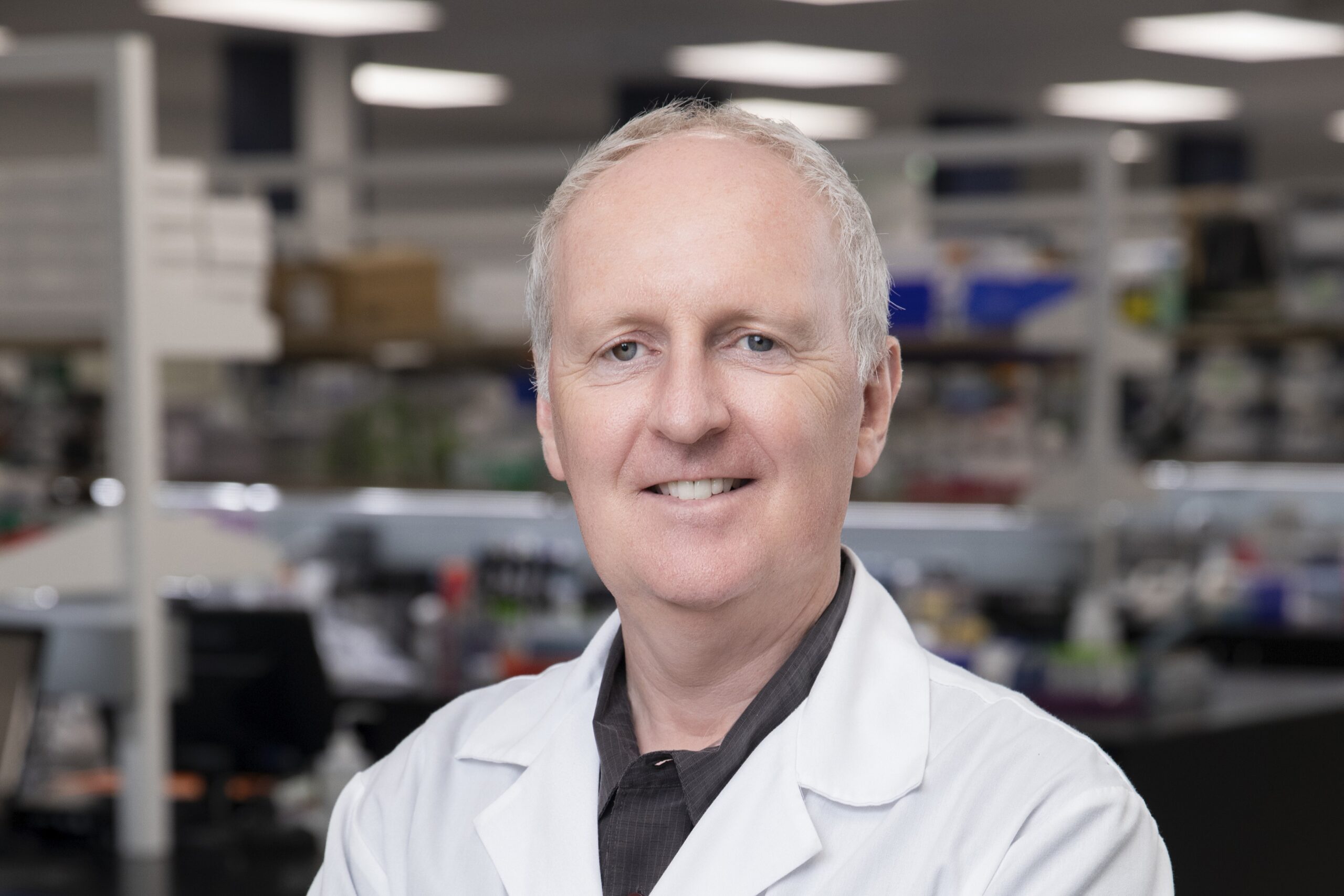


By Pat Vaughan, Ph.D., Chief Operating Officer, DCN Dx
Outsourcing in diagnostics has shifted. It’s no longer just a fallback when timelines slip or resources run thin. More often, teams are choosing to outsource early, deliberately, because it’s the most effective way to meet their technical, operational, or commercial goals.
We work with startups, growth-stage diagnostics firms, and established IVD companies. While every project is different, the reasons teams come to us tend to fall into a few consistent categories:
- The internal team is at capacity
- The program needs to move faster
- The science isn’t working
- The product isn’t ready for manufacturing
- The team lacks a specific skillset
- A regulatory or clinical milestone revealed a bigger issue
- IP concerns
More recently, we’ve seen another trend: some teams now build outsourcing into their program plan from the beginning. These clients aren’t reacting to a failure or delay. Instead, they’re proactively using outsourced expertise to reduce execution risk, speed up early optimization, and stay focused on core business objectives. It’s become a strategic input and not simply a rescue lever.
Here’s what each of those reasons looks like in practice.
1. The Internal Team Is at Capacity
Most diagnostic companies aren’t built to run multiple development programs in parallel. They have strong scientists, but limited bandwidth. When those teams are tasked with doing too much, running feasibility, optimization, clinical prep, and transfer simultaneously, things start slipping.
This has become more common in the last few years. In 2024, biopharma layoffs rose 3 percent year over year, with diagnostics companies like DermTech reducing their workforce by more than 50 percent. Randox Diagnostics, which scaled up during the COVID testing boom, has since shed over 1,300 jobs.
Even well-capitalized firms are choosing to run leaner. It’s not that R&D has become less important, it’s that it’s increasingly outsourced to partners who can flex capacity up or down as needed.
2. The Program Needs to Move Faster
Time is usually the most valuable resource in a diagnostics program. Whether you’re trying to hit funding milestones, meet a clinical window, or support an investor roadshow, delays compound quickly.
Bringing in a CDMO can shorten timelines by:
- Resolving technical blockers more quickly
- Preventing the wrong experiments from being repeated
- Giving you early visibility into design or manufacturability issues
In one recent program at DCN Dx, a client came to us with an upcoming trial window and a reader integration that wasn’t aligned with the strip design. Our team re-optimized the assay-reader interface and produced validation batches within three months, allowing the client to stay on schedule for submission.
This speed-to-data is one reason the global medical device outsourcing market is projected to grow at a 12 percent annual rate through 2030, reaching nearly $293 billion ([Grand View Research](https://www.grandviewresearch.com/industry-analysis/medical-device-outsourcing-market)).
When your internal team is stretched, everything takes longer. Not because they’re not good at what they do, but because they’re doing too many things at once.
3. The Science Isn’t Working
Sometimes teams reach out to us because they’ve run out of ideas. Their design looked solid on paper but isn’t performing. The troubleshooting process has stalled, and they need help figuring out what’s actually causing the problem.
That outside perspective makes a difference. One client came in with a multiplexed lateral flow assay that had stalled in optimization. Their team suspected a reagent issue, but we traced the problem to a combination of membrane saturation and conjugate instability.
This is especially common in quantitative lateral flow and multiplexed systems, where small design choices have a cascading impact on performance.
4. The Product Isn’t Ready for Manufacturing
Another common scenario: a team believes they’re ready for tech transfer, but the manufacturer disagrees. That’s when we’re brought in to evaluate readiness and get the program back on track.
This often involves:
- Validating the robustness of the assay design
- Assessing manufacturability
- Identifying changes needed for scale-up
- Producing additional feasibility or validation batches
We’ve seen assays that worked well on the bench but couldn’t be reproduced under manufacturing conditions. In one example, we uncovered fundamental design limitations after a client’s tech transfer failed. It was something that could have been avoided with earlier feasibility checks. The product was ultimately discontinued, but the client avoided months of sunk time and cost because they got clear answers fast.
5. The Team Lacks a Specific Skillset
Lateral flow and point-of-care development require deep, specialized knowledge that generalist R&D teams don’t always have in-house. That includes:
- Reader integration
- Fluorescent or visual labeling systems
- Multiplexed strip design
- Quantitative assay development
- Reagent lyophilization
- Biodegradable and sustainable device materials
- Aseptic filling
- Custom cassette and consumable engineering
- Design-for-manufacturing
Hiring for those capabilities isn’t always feasible, especially on short timelines or in early-stage companies. We often serve as an extension of the internal team, applying focused technical expertise to accelerate progress and reduce risk.
6. A Regulatory or Clinical Event Exposed a Design Flaw
Some clients don’t outsource until their trial is already underway or halted. Maybe the FDA had questions the team didn’t expect, or the study was paused due to poor performance, usability issues, or reproducibility failures.
At that point, the internal team is often too close to the product to step back and rethink the strategy. They built it, launched it, and now need to redesign it. But doing so means revisiting decisions they weren’t resourced to reopen.
This is where outside help can make the difference. We’re often brought in to conduct a technical audit, isolate the root cause, and support a redesign that aligns with both regulatory expectations and future manufacturing needs. This may include reworking claims language, adjusting protocols to match actual performance, or supporting root cause documentation. Sometimes the program gets back on track. Sometimes it pivots entirely. Either way, teams get the clarity they need to move forward.
7. Control and IP Protection
Some teams hesitate to outsource because they worry about losing control of their product or intellectual property. That concern is valid and worth addressing up front.
DCN Dx structures every engagement to ensure full client ownership and control of their intellectual property from start to finish. That means implementing confidentiality training across all staff, operating under robust quality and security protocols, and ensuring that any improvements or additional IP generated during the engagement remain the property of the client.
Clear agreements and strong safeguards help protect your IP while still unlocking the value of external expertise. Done right, outsourcing doesn’t reduce control; it enhances it by aligning teams around shared outcomes and accountability.
Final Thoughts
Most diagnostics teams don’t come to us because they’ve failed. They come to us because they’re trying to keep momentum, reduce risk, and meet program goals. The decision to outsource isn’t a weakness. It’s a strategic call, and one that more teams are making earlier in the process.
And the broader market reflects that shift. Global spending on medical device outsourcing hit $128.8 billion in 2023 and has continued to rise quickly. Teams aren’t outsourcing because it’s trendy. They’re outsourcing because it works.
What Good Outsourcing Looks Like
If you’re considering outsourcing, look for a partner who will do more than execute. The best CDMOs challenge assumptions, communicate clearly, and bring integrated insight across development, regulatory, and manufacturing. That’s what turns an outsourced task into strategic progress.
We’ve previously published a rubric diagnostics developers can use as they vet outsourcing partners. You can download that guide here.
DCN Dx has been a trusted outsourcing partner for hundreds of assay development programs. If you’d like to discuss your program, reach out to our team at DCNDx.com/contact.
About the Author
Patrick Vaughan, Ph.D., is Chief Operating Officer at DCN Dx, a diagnostics CDMO focused on lateral-flow and point-of-care systems. He oversees end-to-end programs from feasibility through clinical readiness and manufacturing transfer, with emphasis on assay optimization, reader integration, cassette and consumable design, and design-for-manufacture for CLIA-waived products. With 25+ years in IVD, he has led rescue and acceleration work for startups and global OEMs, turning stalled concepts into reproducible products and de-risking trials through practical study design, biostat input, and root cause analysis. His current interests include quantitative LFA, multiplexing strategies, and sustainable device materials.
