




How a company tells the difference between a wellness product and a regulated medical device, using the WHOOP warning letter as the test case.
In July 2025, FDA told WHOOP that a feature it was selling as wellness was an unauthorized medical device. WHOOP pushed back and kept selling. The fight ran for nearly a year, and in January 2026 FDA published its rewritten wellness guidance. In this episode of Expert Insights, host Emily Friedland talks with wearables and digital therapeutics advisor Blythe Karow, Founder and CEO of The Karow Advisory Group, and DCN Dx Director of Regulatory Affairs Dan Simpson about what changed in that guidance, where the wellness/medical device line sits today, and what it costs a company to get that call wrong.
For IVD sponsors and CROs, the same gray zone exists with diagnostic products, not just wearables. Blythe and Dan walk through why an at-home lateral flow test can look like a wellness product on the shelf and still be a regulated device, how FDA’s 513(g) process plays out in practice, and how a claims matrix and internal review process keep marketing language from accidentally turning a wellness product into an unregistered medical device. This episode is part one of a two-part arc on the wellness-to-device spectrum; part two, on CLIA waiver trials, is coming later in 2026.
Listen below, or find us on your favorite podcast platform.
Working through this question for your own product?
DCN Dx’s fixed-fee Wellness Regulatory Assessment provides a product-specific written analysis of how FDA’s current general wellness policy may apply, the likely regulatory path, and whether FDA contact is warranted.
What You’ll Hear in This Episode
- What FDA’s January 2026 wellness guidance changed for optical sensing functions like blood pressure, and why WHOOP got a specific carve-out.
- Why a subcutaneous needle or patch, like a continuous glucose monitor, rules out a wellness pathway even when the marketing sounds like wellness.
- Why FDA’s 513(g) requests keep coming back “still a medical device” for lateral flow assays used at home, even under a wellness intended use.
- How a claims matrix, tiered review process, and clear rules for influencer content keep marketing language from crossing into medical device claims.
- Blythe’s read on the WHOOP warning letter, the stoplight-color dispute, and why bundling a wellness feature with two cleared medical device features still bothers her.
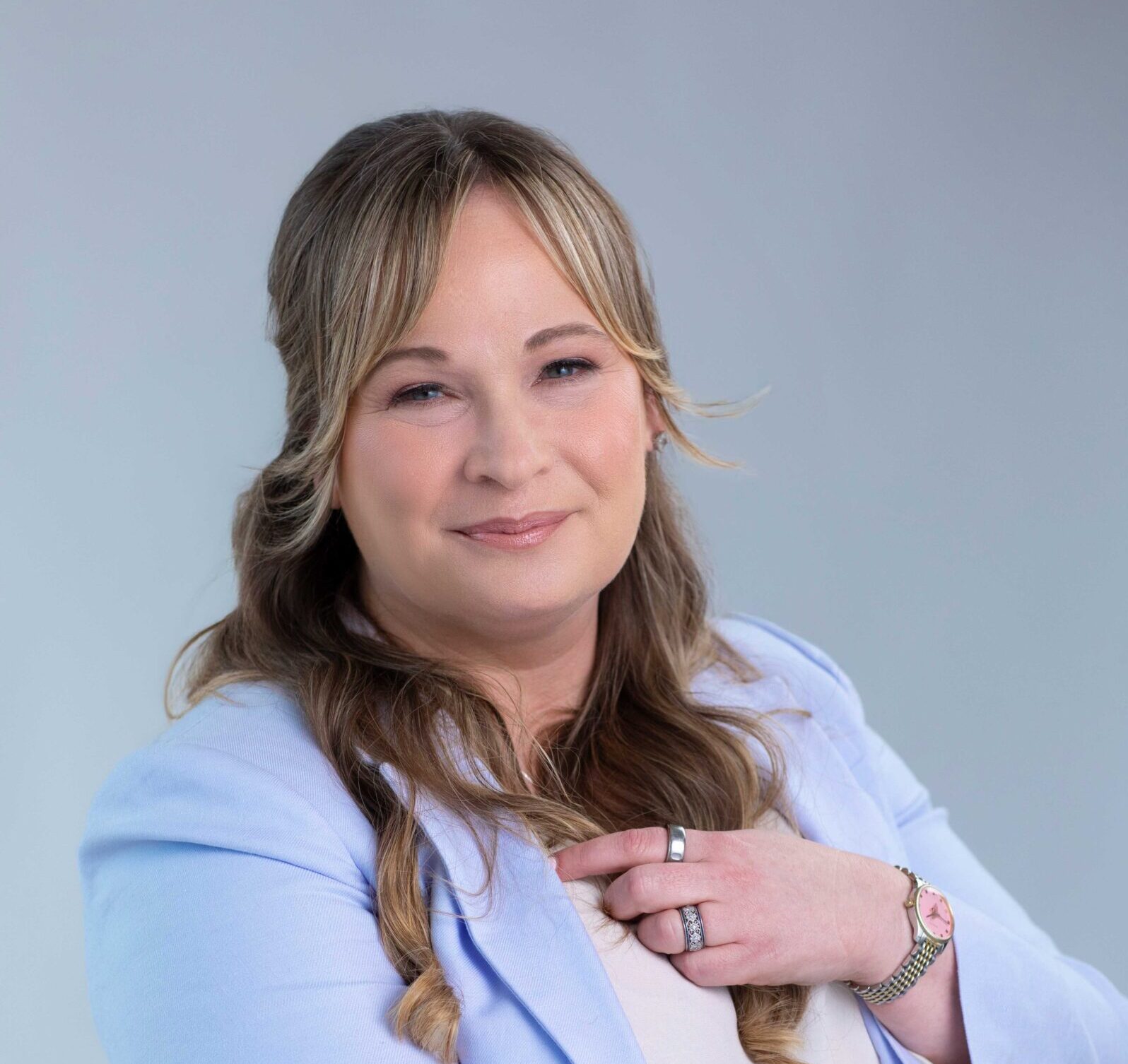
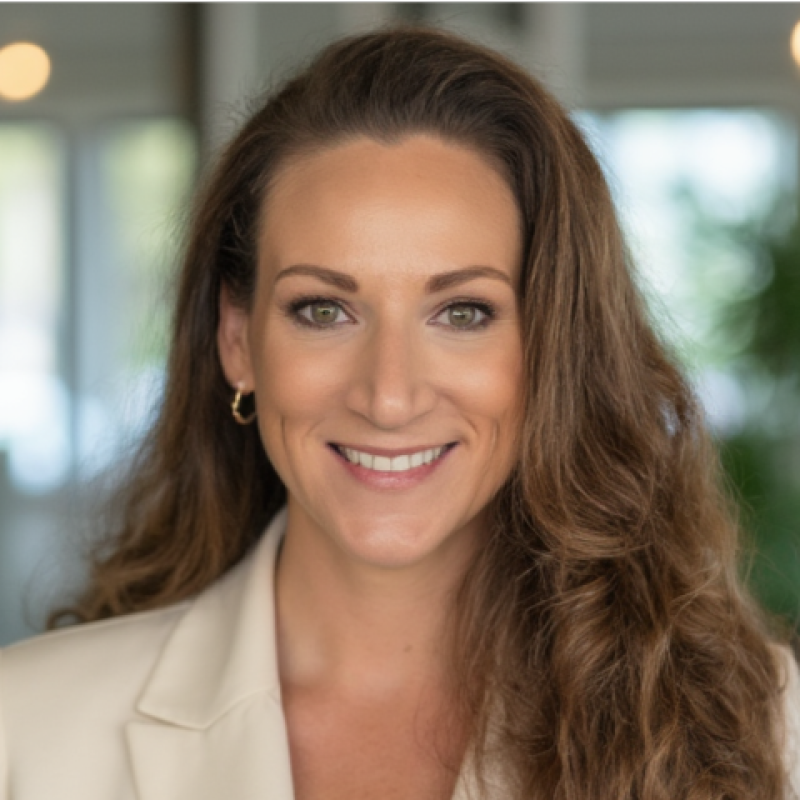

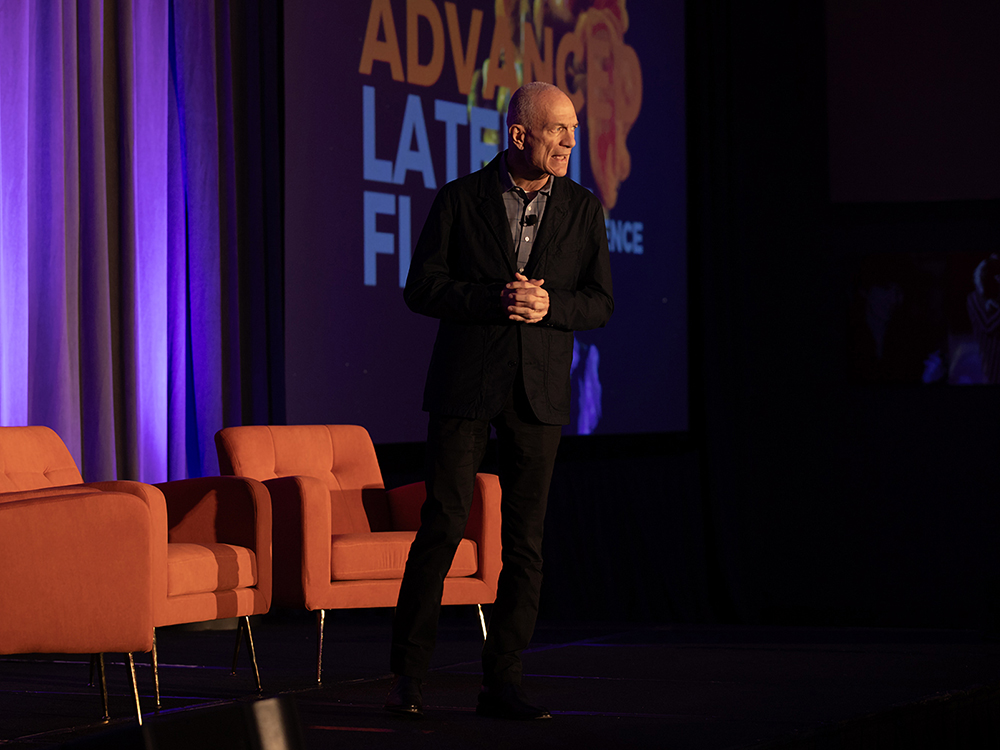
Emily Friedland: In July 2025, FDA told one of the most talked about names in wearables that a feature it was selling as wellness was an unauthorized medical device. WHOOP pushed back, said the agency was overstepping, kept selling, and the fight ran for nearly a year. Then in January, FDA wrote its wellness guidance. A lot of companies read that as a green light. The ones paying close attention read it as a warning. I'm Emily Friedland, VP of Clinical Research at DCN Dx. And this is Expert Insights. Today, we're getting into how a company tells whether its product is a wellness product or a regulated medical device, and what it costs to get that wrong. I've got the two people I'd want in the room for this. Blythe Karow has spent 25 years developing and advising wearables, medical device and digital therapeutics companies, and she's been writing some of the sharpest commentary anywhere on the WHOOP case. Dan Simpson is our Director of Regulatory Affairs, and the person diagnostics companies call when they need to know what FDA will accept. Blythe, Dan, welcome.
Blythe Karow: Thanks so much for having me.
Dan Simpson: Thanks, Emily and Blythe, it's great to talk to you. I've seen a lot of your blogs on this space. So very excited to dig into this.
Blythe: Yeah, should be a good conversation.
Emily: Dan, start us with the guidance itself. What did the January rewrite change from the 2019 version, and where did the headlines get ahead of the text, especially for diagnostics?
Dan: It really put more, I would say, guidelines around the optical wearable sensing functions. So the WHOOP case revolved around blood pressure. So that's one of those optical sensing that we all get on our devices. And so it really clarified what they saw as wellness in those kind of functions. You know, that kind of goes back to the case there. And the fact that FDA was trying to make it now easier for those type of manufacturers to understand what's wellness, what's not. Blythe, did I get that right? Anything more there?
Blythe: You definitely got it right. I would say giving a little bit of background. You know, wellness has always had sort of this gray zone around it. And one of the areas that it's been particularly tricky is that there are a very few number of codes at the FDA that were probably all grandfathered in, that instead of being focused on the indication that you're going after what disease state you're diagnosing or treating, it's just based on functionality. And some of those are EEG, blood pressure measurements, stethoscopes, things like that, where even though they had clear guidelines on okay, well, if you're not diagnosing or you're not treating, you can stay in wellness. But there were just a couple of things where even if you were measuring that biomarker, you could still potentially be crossing the line with the FDA. And I think that's where our big gray zone was, and that's where WHOOP pushed back and really open that up. It's very obvious in the new guidance that they got a nice carve out specifically for their blood pressure measurement, but it did also open that up to, I think, all of those codes that kind of fell in that gray zone. But then it also is limiting on what you can do with the information. And that was a little bit more clear as well. I do think they could still do more in terms of defining what's appropriate and what's not, and what's displayed in apps to the user and the wording that's acceptable and imagery. But I think we did get closer to clearing out a lot of the confusion.
Emily: What has it changed for the companies that you advise?
Blythe: Oh, gosh. Multiple examples. So let's see. I had a company I worked with for two years where we were very specifically trying to aim for a wellness indication because we were monitoring something that to do it as a medical device, because it was so predictive, so early stage, the kind of clinical evidence you would need to make those claims would have been too onerous to follow a medical device pathway. So they were very specifically trying to stay in the wellness space. But it was that gray zone around EEG measurements. And now it has really de-risk what they're doing. So that's great for them. Another company that was working towards a medical device version of a blood pressure cuff that was wearable and really leaning into the accuracy, you know, that's the one thing that we don't really cover on all of this is WHOOP never shares any information about the accuracy of their measurements. We have no information on how good these biomarker measurements are. And that's really the frustrating area to me on a lot of it. But they had to stop and completely reevaluate whether or not to pursue a medical device pathway or not. And I see a lot of companies looking at that right now, like they just came out with some guidance on stethoscope, saying, okay, it's a class two device, but now it's going to be, oh gosh, Dan, help me with the wording.
Dan: So is it a Class II, 510(k)-exempt?
Blythe: Yes. Thank you. That's what I was trying to say. And so they just came out with new guidance for stethoscopes on that. So you're still a medical device, but you have to register instead of, you know, doing the full submission. So things are still shifting and settling after the guidance.
Dan: Yeah. And I'll add on to that too, because continuous glucose monitoring is in that guidance document. But with that one, there's a lot of different codes about readouts with FDA's some are Class I and some are Class II. But then you have the wellness mentioning it. And so I was working with a client that it was the highest of the non-510(k) risk categories. It was a Class II, 510(k)-exempt, like you said. And I still think it is even though you could fashion a wellness claim around it. So that's why it's better. But there's still a lot of gray here in my opinion.
Blythe: You know, bringing up the continuous glucose monitoring. That is another interesting example, because I was just talking to a company recently that thought they had a wellness pathway, but they have a subcutaneous needle in their patch. And the wellness 100% cleared up that that is a medical device now. The wellness guidance said you can't get around that. That also clarified another gray zone.
Dan: You know it's more than just intended use. It's also the risk level of the device. And as soon as you start contacting the patient, more than just having a device sitting on your skin, then that starts to increase the risk of you being wellness, putting you more into medical device.
Emily: In general, do you think that, and I'd also ask, with this guidance that allows product to display a value or trend, as long as it doesn't make a disease claim, but is a prompt for medical management. Do you think that your clients are understanding the distinction before they build or only after? Like, do you think this is impacting the way they're thinking about the design and validation of their devices? Or is this something that's happening after the device has been kind of developed and now they're trying to figure out their commercial pathway?
Blythe: That's very dependent on the founders and the companies. I think if they are coming from consumer tech, then a lot of it has been an afterthought. And I do a lot of work on trying to educate them. You know, I get very frustrated when I feel like they're only kind of sourcing from the Silicon Valley world that has no medtech experience and trying to recreate the wheel when there is an established, you know, network of people like us who know how to operate in the space and can help them. And then you have the medical device, people who, you know, have been thinking about it. Maybe it slowed them down a little bit. And so now we are seeing a very interesting convergence around that. I created something called the DEVICE assessment. It's an acronym. And you can kind of go through all the letters in the acronym to go through sort of a checklist for companies that are trying to figure out whether or not their consumer tech product is thinking through all of the things they need to from an FDA and quality side. It's not, you know, gonna answer everything for them, but it gives them a good idea of where there might be gaps and what they're doing.
Emily: Yeah. I think anytime we can provide tools that help guide people through regulation, it's really, really helpful. Finding that gray in the regulation is always a little bit hard sometimes. Blythe, for wearables and apps, where do you see the line between wellness and a medical device right now?
Blythe: There's a lot you can do in a wellness app. But what I find is that those that are trying to avoid medical device and going through that process, they're really not giving the level of insight that the users actually want. It's a fun gadget. You learn a little bit when you first start using it, but then I think you're going to see that adherence and, you know, the subscriptions start to dwindle. If people can't get out of it what they want. And I think as we were moving more and more to this quantifiable self, and people want the interpretive layer. And so when people are trying to avoid crossing that line into saying, okay, well, this information is telling me that you need to connect to this kind of doctor or you're having these kind of signs. That's where you start bumping into medical device. And that's where I think all of these wearables companies that are doing any sort of biomarkers are going to have to end up really embracing and leaning into, because that's where the customer is going.
Emily: I might be one of the only people that digs into my Oura ring charts, you know, to see like where the dips. But then I want to know more data about it and it's not there. But I do think that the average person is getting, you know, more data savvy. And so the more we put in front of them, the more people ask questions about it, right? So I think it's a good point. Dan, for diagnostics. The line is drawn somewhere else. At-home tests can look like a wellness product on the shelf and still be a regulated device. Why do diagnostics get treated differently?
Dan: This is what you expect from wellness, right? What we've been talking about at that have the biomarkers that we've been talking about like blood pressure, glucose, heart rate variability, you know, those kind of things we're all used to seeing for us at DCN Dx. Right, Emily. We get clients that have lateral flow assays. And these lateral flow assays are biomarkers. But you are bringing this test into people's homes and traditionally everything. It's kind of like Blythe is saying on the other side, even like fertility tests and things like that, where class one even at home and then most markers are class two. So when FDA opened this Pandora's box with this guidance document and some statements that were coming from the uppers and FDA, I started getting all these clients saying, well, I want this intended use. And so it's going to be wellness, right? It's. Being that FDA was kind of opening this up. I did some 513(g) request for information, which it's going to FDA and saying we think this is not regulated because it's wellness, because this is our intended use. And all of them so far have come back. That's your medical device still. And I think it's because some of these markers. Right. FDA after Covid was very pro testing at home. Test at home. Yes. But they're also scared of what the user is going to do with those results without having a physician kind of monitoring them. So I have found in the diagnostic space that it's just because you have a wellness intent to use and you have a lateral flow assay in the home environment, it doesn't appear that it's opened up to wellness in this space as much.
Emily: I find this similar to other kind of traditional biomarkers and FDA stance on making a new claim for a traditional biomarker, and an example I would give people a lot of the time is that I worked for a company that was developing a troponin assay. They knew that the system maybe wouldn't fit into the turnaround time of a standard MI requirement for troponin, but their goal was to get this sensitive troponin assay in for heart failure, and FDA just kind of said, cool, you can do that, but you have to make an MI claim because that's what people use troponin for, right? So it's kind of that similar. This is at the lab level. Right. But if you take it into somebody's home and it's a biomarker that means something and everybody can Google it, I imagine that people will infer things about product or biomarkers that is not intended by the manufacturer. Or hasn't been validated and isn't being managed by FDA or overseen by FDA. So it's a good point, Dan. Blythe, there is a real tension here for a commercial team. Marketing wants to say as much as possible, and every strong claim pulls the product closer to a regulated device. How do you manage that inside of a company?
Blythe: Yeah, I mean, it's one I walk people through the importance of a claims matrix and documenting everything you can and cannot say what data you have to back it up, what references are needed, training everyone in-house on the use of it, and then coming up with a tiered system of review on what needs to go up to a committee level review, versus if you have an influencer or something. One of the areas where I see people really crossing over a line, and I had a startup in vagal nerve stimulation back in the day wearable. And that's an interesting space because you can make a lot of wellness claims with VNS, and you can make medical device claims, and it really is not in the functionality of the product, but in what you're claiming to most of the time. But they want to see and there are a lot of companies that might have a wellness device and then also be pursuing medical claims. And so how are you going to flow people on the site to the right product? Know what the differences are in the product. So they're not trying to buy a wellness product when they're going after the medical device indication. It can get very tricky. You know, that's just a good example, but I came across a company doing some research recently that has a vagal nerve stimulation device, and they were using a whole bunch of user testimonials. I won't say patient because they're under wellness, but they're using customers who are telling you, I am a veteran, I have PTSD. This helped with my condition. That's crossing a line. But they're they're telling themselves, oh, well, it's just a user testimonial. Well, yeah. But you're putting it on your website that crosses a line, but you need to have some guidelines on if you have an influencer talking about it, you can say this, but you can't say that because I'm paying you, right. They get to control their own content, but there's certain times that they're going to cross the line, and you can't be running every little TikTok video up to your marketing team, but you need to have some, like, legal structure around that. And then internally, any documents for your Salesforce or whatever. I really recommend that you have a team that can review some of that stuff on the fly, because you want to get creative with the wording. You also need to be a little bit careful. And then on the flip side, focus on what you're putting in that indication for use when you do your submission. Right. Because there's a lot of predicates under one product code. And those indications have been evolving, and people might not try and use all of the indication or now the FDA is not comfortable with certain things. So figure out all the things you want to try and say and see what you can include to expand it as much as possible.
Dan: Yeah, that's a really good point, Blythe. And you know, when I do a regulatory strategy with clients, I always ask, what are your marketing claims, even before they give me the intended use because then I try to craft that intended use around it. If there's a predicate, then seeing if it can fit into that box. You know, it's funny you're saying all these things. And I was like, is she sure she's not a regulatory person? Because that's exactly you know, the post-market regulatory guy is always, I don't want to say at odds. We tried to play nice together, but we're sometimes the bad guy because we are the ones saying exactly what you said, right? That patient testimonial is suddenly a claim if you put it on your website. And so you do have to be careful about those things. So that's some really good points there.
Blythe: Yeah. Yeah. It's it's funny you say that I have a lot of people who think I'm a regulatory expert. Right. Well, I will tell everyone I would never write a submission for you. I use experts for that. Anytime I want a final ruling on something, I go to regulatory people. Even though we all know the final ruling on things is the FDA. Having done 25 years of getting medical devices to market and doing the marketing around them, and I'm usually the one getting very frustrated with those review teams because I'm trying to say something and they're telling me I can't, right? Like I have a lot of experience on both sides of it. I think to be a good marketer or product strategist in medical device, you have to fully embrace deep diving into all the regulatory aspects of it, all of the reimbursement aspects of it. You got to bring in the subject matter experts, but you have to be able to incorporate all of it, or you're not doing your strategy right. When we were talking about what you can do in the wellness space, and you were talking about checking your Oura app, I think that Oura, they have that one feature, which is symptom radar. And I think that was very, very cleverly done because it's it gives them a way to tell you without crossing into a medical device territory at all, an indicator that something's not going well. You might want to get checked out. On the flip side of that, we discussed before we got on here. I haven't been feeling so great today. My Oura ring didn't say anything. Right. I'll give it a pass because I was on vacation. I just put the ring back on after coming back from vacation. So maybe it's not picking up everything, but I definitely have times where I'm not feeling so great and I'm surprised it's not picking up something. So I they, you know, they are very much in the safe zone. But also then I wonder, well, is it picking up everything? Where is the threshold. You know, if it is picking up something what do I do with it. So that's where it gets, I think, frustrating for people when they don't know what to do with it. That's just my guess.
Emily: I think you're right. My experience with my Oura ring and my Symptom Radar is every once in a while, I'll get a minor symptoms update, but I feel fine. And then, as we discussed last year, I tried to make it to ADLM and ended up with Covid in Chicago just before the show. But my ring didn't tell me I had any kind of major symptoms until the day after I tested positive for Covid. So it does definitely use some algorithm that I am not clear on, but I do find myself as somebody who likes tech, like really looking at it every day going, you know, what's what's happening with me and can you figure it out?
Blythe: I think some of it is just also the scientist in you going, how does this product work exactly? I want all the details, all the interpretation. You know, my vagal nerve stim company back in the day was titrating the stimulation based on HRV. So I had a WHOOP band almost a decade ago trying to see how they were calculating it, how they were displaying it, because that was very interesting to me. It'll be fascinating to see where it goes, I think, in the future, because there's so much opportunity and what they can do with machine learning algorithms now, in terms of getting that data and connecting the dots to different things is pretty amazing.
Dan: You know, talking. With both of you, right. I think the biggest thing I would recommend especially is and what I recommend the clients that we see. Emily. Right. Because our clients aren't generally I do have some clients in the wearable space, but our clients aren't generally coming with wearables with, you know, blood pressure and glucose and those things, they're coming with these other biomarkers like that we've talked about have traditionally been devices. And I think, you know, they heard about all this wonderful, all these wonderful things about FDA opening up wellness and let the market decide. They were saying, right. It's turned out that that really isn't the case. So going to a regulatory person that can really piece out what the risks are, especially if you're outside of that comfortable. FDA is comfortable with wearables and those markers being wellness. They're not as comfortable with some of these other things. So just because you can make an indication about that doesn't mean it's going to be clear sailing. So have a regulatory person evaluate what the risks are. There's ways to reach out to FDA if you're in that zone, right, of we're not really sure. And getting in the front door. Right. And create a relationship with FDA because I have had some clients that have reached out and they have said, oh, this is wellness, you know, and just because you reach out to them doesn't mean they're going to give you the wrong answer if you really have a legitimate case. But then also they're there to protect the public health. So you want to be a united team with them. And I always try to say that. Right. And the other point I wanted to make was that Blythe was talking about her assessment that she does FDA and the digital health group actually have on their website. "Is My Software a Device?" They have a and I think the digital health group at FDA is great because they're very transparent. And so you can go through if you have a software as a medical device, which is an app, basically, you can go on and answer all these questions and they will tell you whether they think it's a device or not, just based on whether it's more of a clinical management tool or a medical device. So there's a lot of great things within that division that they're very public facing.
Blythe: So I think a lot of clients, you know, I refer them to those things or run a run their product through it myself. I think that particular group with FDA is very willing to work with the outside and industry. So, you know, I was talking to a company. There's so much cool new stuff coming down the pipeline with AI that it's it's really pushing the bounds of what's already been defined. And so I meet with some really interesting companies that are doing things where. It's in these gray zones, even beyond what's been defined here. And I'll have a conversation with them about, well, why don't we just do a gap assessment on where you are with your quality and control system and your cybersecurity and your HIPAA compliance and data, and just see what it would take to even if you're not doing an FDA submission at the moment, what would it be to be compliant so that you can tell your clients we're doing it at a medical device level? It's not necessarily that big of a jump if they're already being very careful about that stuff. And so that's another area where I've I've had conversations where I don't do those gap assessments, I send them to someone else. But I think that's a valuable assessment to do. You can see what the gap is, what it would cost to go to from here to there, and then you can have a strategic conversation around whether that's worth the investment to make your customers feel more comfortable with that.
Dan: Yeah, and I agree with you. And even going further, being the regulatory guy. Right. A lot of times, even if it's wellness, I do suggest, well, yeah, you may still want to have a quality system because, you know, a lot of these things that are in the regulation are just good business practice. Right. And you want to know you can reproducibility make your product even if it's a commercial product. Because guess what? Customers really kind of want the same thing in the same quality every time. So I think you're right. And you know, investors and things will respond better to that too. So.
Blythe: I think I mentioned it before. It's sort of one of the sticking points for me that's annoying is and I don't blame the FDA for it, congressionally. They carved out the wellness section. So if they define that you are in wellness, then the FDA doesn't do anything. There's no other checks and balances that they can layer in on wellness because that's a carve out. So we're left with these companies where they're saying, well you should have data. That's what they said in the new guidance. Right. If you're going to be displaying blood pressure measurements or something, you should have some clinical data that shows that you have these measurements. But they couldn't give any guidelines on whether it should be publicly available, who should be looking at it, anything because you're separate. Right? So they're expecting the industry to like stand up and do some sort of standardization around the quality of the data in the quality of the algorithms and what it's able to produce. And there's just there's nothing there that we're not holding anybody accountable for that at the moment. And I'm, I'm hoping that in the next year or so we start to see an evolution on that, where companies are really stepping up to prove their quality.
Dan: Yeah. And, you know, I guess the skeptical regulatory person that I am is what will drive that or if that does happen, will be some sort of adverse event or something in the field or some quality problem with wellness that will then usually regulations and things like that. You're saying come from something happening, unfortunately. I'm not that it's always that way, but just generally speaking in my experience. So but it will be interesting to see how that evolves.
Blythe: Let's hope it's just becomes a result of all the competition in the market when it comes to wearables and monitoring, like Hilo Aktiia, they're the ones that got the clearance for blood pressure at the same time that WHOOP got the warning letter. They've just sort of relaunched their website and they can be a wellness device now, but they're really demonstrating. I was just looking at it the accuracy and come look at the results of what we're able to do. And I appreciate that.
Dan: Well, it should give them a competitive advantage, right? By doing the right thing like that and being more transparent. Like you said, a lot of customers will want more information because they'll get smarter about these things. And the companies that can provide that may get more of the market share.
Blythe: Yeah. And honestly, if you take it to the next step, which is all the remote patient monitoring that people are going after reimbursement wise, they just came out with the new stuff saying they want to tighten the rules around remote patient monitoring, because everybody's been going after that. We might get to a point where they get pretty strict on the quality of the data being collected in order to get remote patient monitoring, and then you're going to see if they did that. People step up from that aspect as well.
Emily: I was going to ask if you thought that there would be an advantage to a device that goes for clearance. Right. Goes in as a medical device, but maybe has similar really a wellness type product because they can likely then be reimbursed at a higher rate. Right. If a doctor recommends that somebody utilizes this device for daily monitoring of basic blood pressure, for example. Right. So curious if we think that there is an advantage there just simply around reimbursement, that nine out of ten doctors are going to recommend this because honestly, they just get money for it.
Blythe: Preface this with I'm not a reimbursement expert, but I don't think right now remote patient monitoring codes are requiring much data on the quality at all. You can just kind of plug and play those codes, and I think that's part of the issue. They're trying to fix it in the wrong way, and that's a whole other conversation. But I think it's the doctors that are there. They're starting to get inundated with these options. Right. An excellent example actually is a year or two ago, my mom took home a sleep apnea test. And the company that was doing the monitoring. I ended up looking them up in the FDA database because I was like, I don't think they were cleared medical device. They literally vibrated the machine to wake my mom up when she had a apnea event, which ruins the test. But they did that cover themselves legally because they hadn't become a cleared medical device. And yet they were and the doctor thought it was a cleared medical device doing this analysis. And so I ended up going back to my mom's doctor saying, uh-uh. And then by the time she tracked it down, the company they had been using for it had realized and switched devices. And that's one of those weird lines, right? Like, you can be a stress management tool and that's wellness. But if you say anxiety, that's a medical device, you can be a sleep aid and that's wellness. But if you deal with insomnia, that's a medical device. And so you see the WHOOPs and the Ouras of the world showing you sleep staging, that used to be something that was done by medical devices with like EEGs and things like that. They can show you waking moments, but they can't call them sleep apnea, which is why you won't see them sort of quantify how long it happened or the depth of it and things like that. But they will identify these waking moments. There's a lot of ways that you can slice and dice it. Do I love it? No, I would I would love it if they went to the FDA and said, look at all of this and make sure it's good, but it's also just it's it is a lot of burden to have to keep up with the medical device side if you're a wellness device.
Emily: I'd like us to pivot a little bit and get a little bit more in detail on the ways we can. Blythe, you followed the WHOOP warning letter closely. What did you make of it?
Blythe: So when it first happened, I did like a four part series on it, and I literally went through the guidance on one of the articles where I went through every point of the letter and sort of talked about the times where I thought the FDA was getting ahead of themselves, and the times where I thought, WHOOP needed to rein it in. But I think the real crux of it was one they were saying that they were collecting medical and clinical grade data, and I don't think they understood in their conversations with the FDA what the FDA was trying to tell them, because we all know that that warning letter probably happened after they had a couple meetings with them. Right. And the FDA can't tell. You say this instead of that. They can just say, you can't say this, right. So they were probably giving WHOOP hints about what they could be doing instead, and they probably could have adjusted things and avoided all the drama to a certain extent. And I think that was one of the major cruxes in it. And they have stopped using that. That wording. One of the areas where I thought the FDA was being ridiculous and I'm still advising companies not to do like red, but do like an orange. But they didn't want green, yellow, red. They want you to just display things, but then they don't want you to tell people when they're like in abnormal ranges. So you can't say abnormal. We just say, oh, we've noticed things like it's in a really weird gray zone still. But my argument was like our stoplights, medical devices, like we've been using green, yellow, red to quantify things in everything under the sun, not just medical device. That seems silly to me, but also, let's not get in trouble with the FDA while we're navigating it.
Dan: You do have to figure out what battles you want to fight over. I'm guessing that's -- FDA, you're right. It's kind of ridiculous, but there is a standard in medical device, in equipment and monitoring that colors do mean things, but it's like, does that really transfer over to your watch? That gets a little ridiculous, but that's probably what somebody was. Dying on that hill, right?
Blythe: Exactly like they do mean something medically, but they also mean something not medically.
Dan: And so it's so good point that you make. It's like, when does that transfer over to just these, you know, because the person watching on the street, it's not going to be like, oh that's red. So that means I'm going to die.
Blythe: Right. Exactly. And but they also kind of tie your hands in order to explain it. Like it'd be nice to explain to them they're not going to die, but actually we're trying to cut back on what we say at all. And so it leaves the interpretation loose, which I think actually causes more problems. My biggest issue, actually, and they haven't stopped doing it and it wasn't addressed in the guidance, was that they have three tiers of subscription and they have a tier. I'm going to get the terminology wrong on it, but they have their highest level tier is it bundles their two medical device features with the blood pressure measurement. And to me, that bundling and selling it together with medically cleared stuff is where it really crosses the line for me, because to me, that implies that it is also a cleared medical device aspect of the product. And so if they had just bundled that at the second tier and not with the medical device stuff, I would have been fine with that. But the fact that they bundled it together and they called it something like life or it fell due to the just the bundling and packaging that it was in a medical device carve out. And we're very careful when it comes to, like I said, with that vagal nerve stim example, you have to let people know which one is the medical device and which one is the wellness device. Right. And people can't be buying one to do what the other one does. And so to me that is where I even submitted that question when they had the town hall on like this is not clear. Can you bundle these. And they didn't address it. So to me that's still in a zone that I'm uncomfortable with. But I also think on the flip side of that, what the FDA has signaled, especially during this administration, is that they want to open up progress for wearables. They don't want to be nitpicking everything. They want to let people have a little bit of leeway in order to be beneficial to people. And so I think in that sense, it's nice that you feel like they're not going to be breathing down everyone's neck and being a bit of a jerk about it as well, because they're hoping to unlock the benefits of people being aware and being monitoring these things and what they can do for overall longevity.
Dan: I want to go back to, I think you were talking about the guidance on multifunction devices, and I think you mentioned that, like in that case, right, you had two things that were medical functions and one that was being deemed as wellness. And with the FDA, there's a guidance on that that says, well, you can have medical functions and wellness functions mixed together, but you have to be clear which original. You have to show that they don't interfere with each other too.
Blythe: Yeah, and that's good because you should be able to make some wellness claims along with the medical device claim. And so you shouldn't have to say, okay, we can't say that because that's wellness, because we're a medical device. Now it should open up more, not less. So in that sense it makes sense.
Emily: Dan, FDA said any feature that measures or estimates blood pressure is inherently tied to diagnosing hypertension, so it can't be low risk wellness. Was that a surprise to you, or is that what you would have expected FDA to say?
Dan: From a regulatory standpoint, you know, I think it really is a gray area because I think people probably do think along those lines. Right. But to make that blanket statement is questionable, I think. But, you know, I do believe after all we talked about and Blythe, you can correct me that that kind of has changed now. Right.
Blythe: Yeah, I would agree they backed off of that.
Dan: Yeah, they've backed off. But to me, if you ask me personally, I, I do kind of feel that way. But I'm not I'm not industry I'm one person. Right. And I'm a regulatory person. So it's not my job to give my opinion. It's my job to look at what the regulations are saying and what the industry is saying and where the risks are. So again, this may continue to evolve and change. And we all know administration of politics play a role in this. So I'm guessing it's going to change off and on. And this is always going to maybe be a bit of a battlefield. I go back to us on the diagnostic side, Emily. And again if you have a biomarker. I've had clients, they've used insulin as wellness measurements and saying, you know, and that makes sense. You know, because insulin goes up and down and some people think that's actually more definitive about things than glucose. But people think about diabetes when they think about insulin.
Blythe: So it's interesting you say that because I was just having the same conversation about cortisol. And cortisol is a big one now. Yeah. And I was debating because someone was like, well, that's a medical, you know, that's a diagnostic. And I was like, I don't think it is. It's all over the place all day long. We can't get good tests on it. Like, people would be happy for you to start measuring that regularly. Yes.
Dan: And again, though, there are some pretty severe conditions. But as long as you don't tie it to that, it should be in the wellness claim. But then again you go back to, well, what is that person? Are they going to say, well, I have Cushing's disease, so I'm going to do something or I have Addison's, right, which is the low end. And I do know there are people that are pursuing medical devices for monitoring that. But I'm sure there's people that are also pursuing wellness. So there you go again.
Blythe: There are plenty of medical devices out there that could be like, you can use a weight scale in your house. Nobody's monitoring that. If you're obese, that's an issue. And that impacts a lot of health conditions just like hypertension. Hypertension itself doesn't kill you. It leads to other things that then kill you. It's the same thing with obesity. You can be making these connections. Anything we measure, you can have it. You know, you have a thermometer. It tells you you have a fever, but it doesn't tell you what's causing the fever. Right. So that's sort of how I see it. Is it like a precursor type. It's like at one point I was told I was hypoglycemic. Turns out they're wrong. But I freaked out because I googled it and it was like, well, that's not a condition in of itself. It's just an indicator. You could have much more serious conditions than I was going. What conditions are these? And I started I had to go to an endocrinologist to try and track it down. You know, that's where I think sometimes it can be hard to draw that line. Why? I took the argument on the blood pressure with the hypertension that. Yeah, okay. You could be hypertensive, but that's that's a conversation. Then go have with your doctor.
Dan: Yeah. And I think that's a really good point. But you know, a lot of these things have been medical devices in the past. So we're just kind of redefining. So I think it comes back to what you said, I'm willing as a regulatory person to accept whatever boundaries there are. But then let's let's make that clarification that if it's just it's a condition, but it's not really a disease, it's a precursor. And that that's really wellness. Let's make that the guidelines now.
Blythe: And I think that was really what you just said is the crux of the whole WHOOP drama, which was it was the first time I can ever recall that the FDA sent a warning letter to someone and they didn't immediately go, oh my God, let me fix this. Those of us in the medical device space, if the FDA comes to you just like you're saying, Dan, we go, where are the bounds? Let me work within those. And this was the first time anybody said no. Let's talk about where the bounds are. And I think there's been a lot of benefit to that. I was pretty rough on them going through everything. But, you know, the fact that they were fighting them on it. But I actually I think it really helped define some of this stuff. I think the products that were doing just measurements and not any sort of diagnostic or treatment, they really helped in that space. But I also really want to see these wearable companies now start working towards indications in terms of how they analyze the data. I think a lot of the companies I see right on the biomarker type of things. They want to get on the market right away. So they want to do wellness to get on the market right away. But you know, especially with biomarkers. And I think you mentioned this too. Like there's only so far you can really go on the wellness side. And really it's a good first step. But really if a company wants to grow they really have to start considering, I think more medical claims because people want to know what this really means from a medical perspective, like you said. Yeah. And I think from a product strategy aspect, that's super important, right? You have to make sure that as a wellness device, you are still addressing a real pain point. If you're a startup, you can't just go after some random market to tell investors we've started making revenue, because then they're judging you on that revenue and the growth of that revenue, and then they'll be annoyed that that revenue doesn't track to the real market you're trying to go after. Or you came out with some device and it's wellness and you can't get sales because it's not actually giving any of the insight that really addresses what people want. So, you know, sometimes going to the market as a wellness product first isn't the best way to go.
Emily: This is a fascinating topic that I know we could all talk about for ever and ever and ever. And likely we'll have to revisit again as AI moves more into our lives and into our healthcare. We want to thank Blythe and Dan for joining us on the podcast today. One note for listeners, there's a whole other version of this in the lab. And lab developed tests that we will be discussing in a future episode. Different rules. Same kind of gray zone. Dan, any final thoughts that you'd like to add?
Dan: You know, again, to just go back to all these gray areas with wellness. And then the lab developed tests that you just mentioned. Really, if you're in those gray areas, you know, usually the best thing to do is even if you're not going maybe directly to FDA is reaching out to the network, right, your network of knowledgeable people, in this case a regulatory professional such as myself. And just a reminder that at DCN Dx, we do have these services available. It really just makes sense to know what your risks are before you start moving in the direction. So that would be my two cents at the end of this.
Emily: Thanks again to Blythe and Dan for your expert insights into wellness products and especially wearables. If you're working through this question for your own product and can help, you can reach out to the team at DCNDx.com/contact. Thanks for listening to Expert Insights.